Mastering Small Bedroom Design: A Friendly Guide
Designing a small bedroom is both an art and a challenge — a dance between functionality and aesthetics. You want it cozy, not cluttered; stylish, but practical.
As someone who grew up with a tiny bedroom (and an even smaller one later), I know the struggle — but I also know the magic that happens when you design smart.
These small bedroom ideas will help you turn even the most compact space into a dreamy retreat. Whether it’s your main room, a guest space, or a teen’s hideout, you’ll find tips here that work without breaking the budget.
Whether you’re decorating your first apartment or refreshing a compact guest room, these small bedroom ideas will help you maximise style, comfort, and functionality — without feeling cramped.
Smart Furniture & Layouts: Making Every Inch Count
1. Extend Your Headboard for Optical Illusion
If there’s one design hack that instantly elevates a room, it’s extending your headboard.
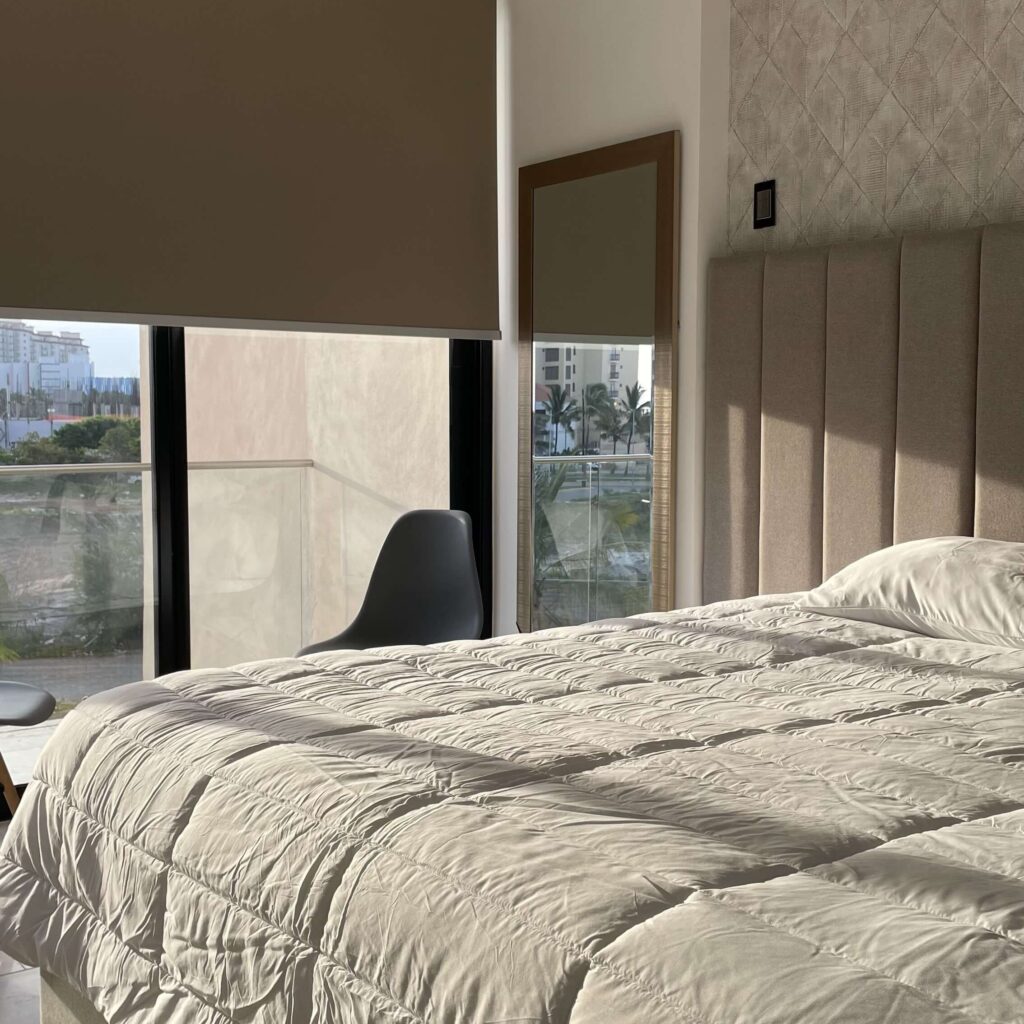
A tall headboard in neutral colors (like beige, soft grey, or ivory) draws the eye upward and gives the impression of higher ceilings.
Vertical stripes or simple geometric patterns add extra dimension — a subtle trick that visually widens the room.
Bonus styling idea:
Hang minimalist artwork above your headboard. Geometric or abstract prints in calm tones give the illusion of depth while keeping your small bedroom design clean and airy.
2. Have Multi-Functional Furniture
I completely understand that “furniture store temptation” — when you want the vanity table, the cozy chair, and the big wardrobe all at once.
But when you’re working with a small bedroom layout, practicality comes first.
Look for furniture pieces that serve multiple purposes:
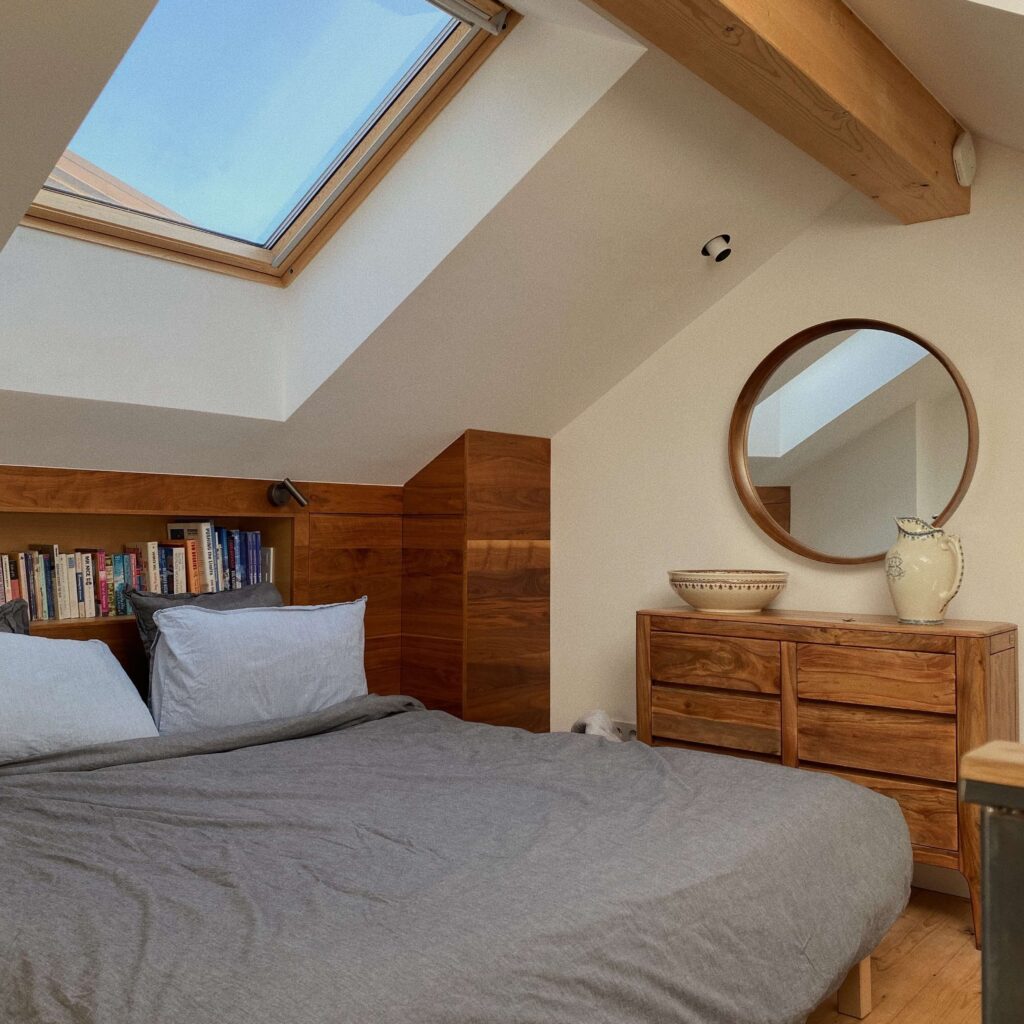
- A bed frame with built-in drawers for hidden storage.
- A storage-friendly nightstand that doubles as décor.
- A fold-out desk or vanity for flexible use.
- A storage ottoman that hides blankets or seasonal clothes.
These small changes create more breathing room and make your space feel intentionally designed — not overcrowded.
Pro Tip:
Choose furniture with legs. Scandinavian-style pieces expose more floor, creating the illusion of openness.
3. Wall-Mounted Pieces Are Your Secret Weapon
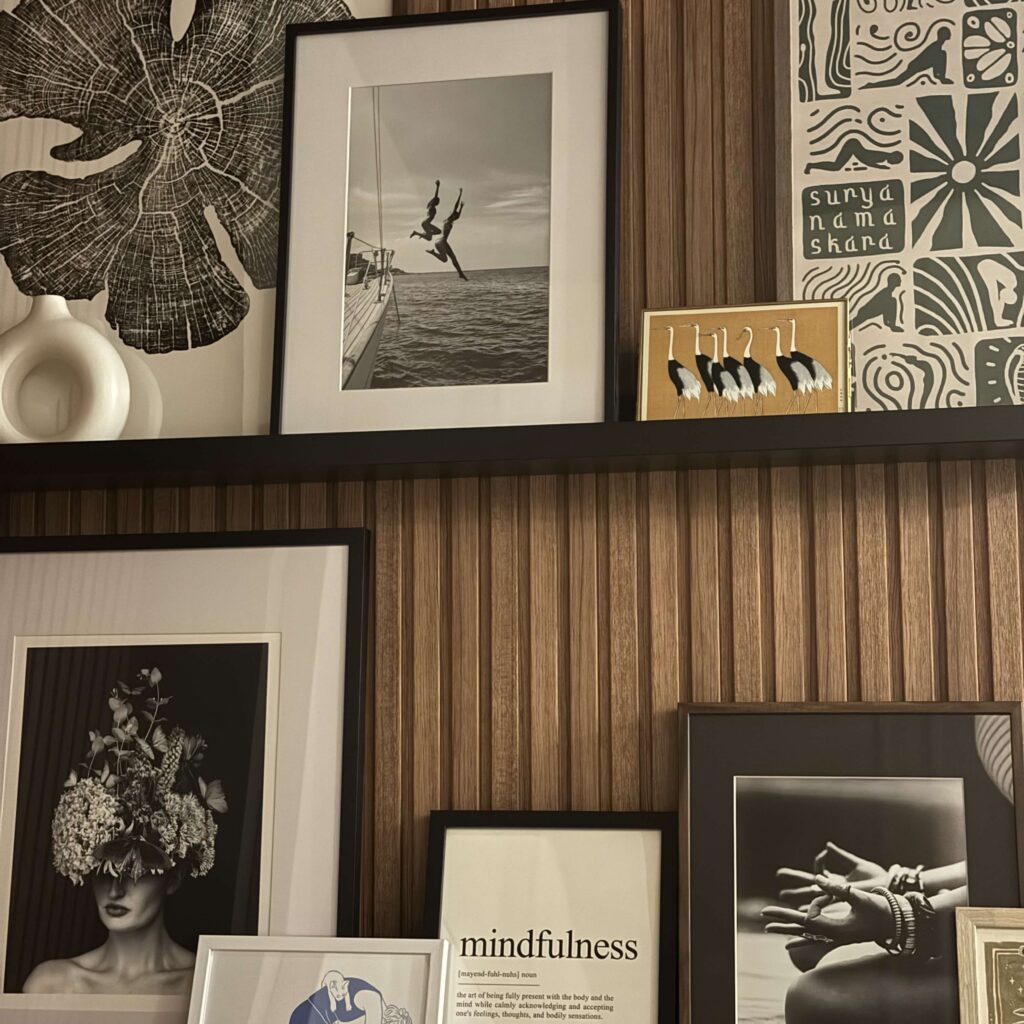
Personally, I adore floating shelves — they’re the minimalist decorator’s dream.
Books, candles, photos, and small plants find their home there without taking up floor space.
For teens, floating shelves can double as display zones:
- Girls might keep perfumes, skincare, or framed quotes.
- Boys could use them for small collectibles, car models, or tech gadgets.
These little personality corners make the room both functional and fun.
Pro Tip:
Use LED candles or strip lighting under shelves for cozy, ambient glow — one of the simplest yet most effective small bedroom lighting ideas.
4. Consider a Murphy Bed for Guest Rooms
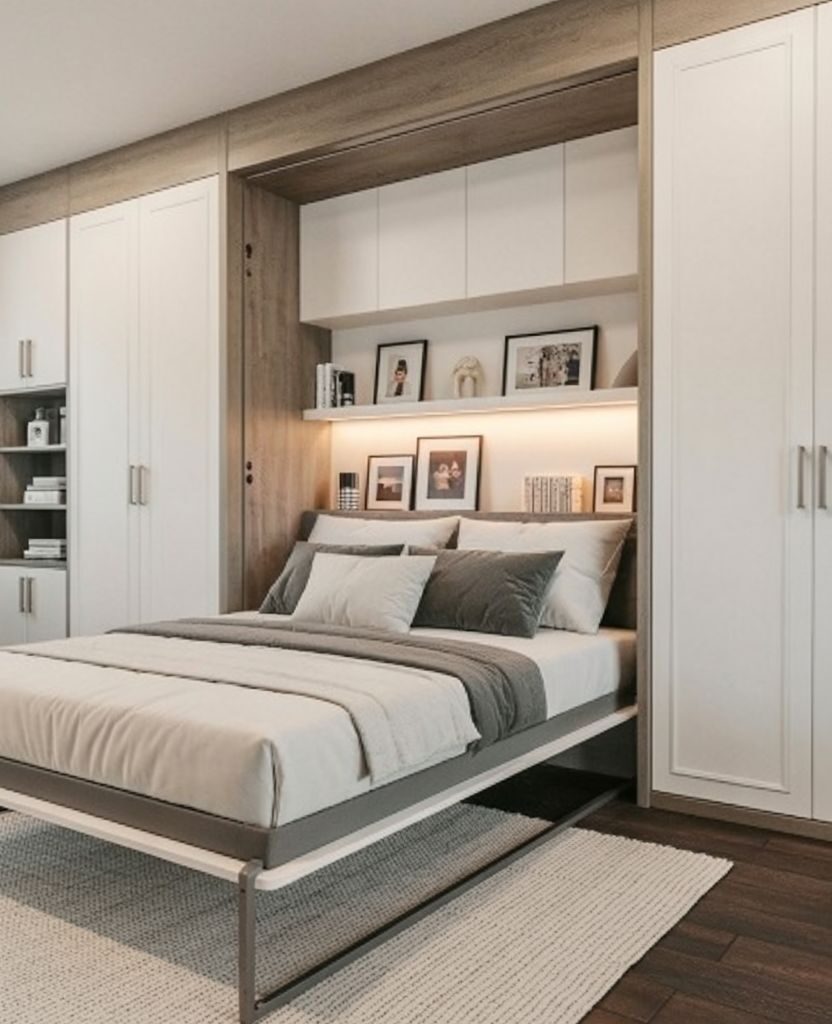
If your small bedroom doubles as a guest room, consider investing in a Murphy bed.
You can fold it away when it’s not in use, instantly opening the floor space.
Modern Murphy designs even feature shelving or desks built into the structure — perfect for a multi-functional home office setup.
Pro Tip: Choose Furniture with Legs
Optically, furniture with visible legs allows light to pass under it, creating the feel of more space. Scandinavian-style pieces are my personal favorite for this reason — light wood tones, clean lines, and elevated frames that make your small bedroom breathe.
Avoiding Oversized Furniture in Small Bedrooms
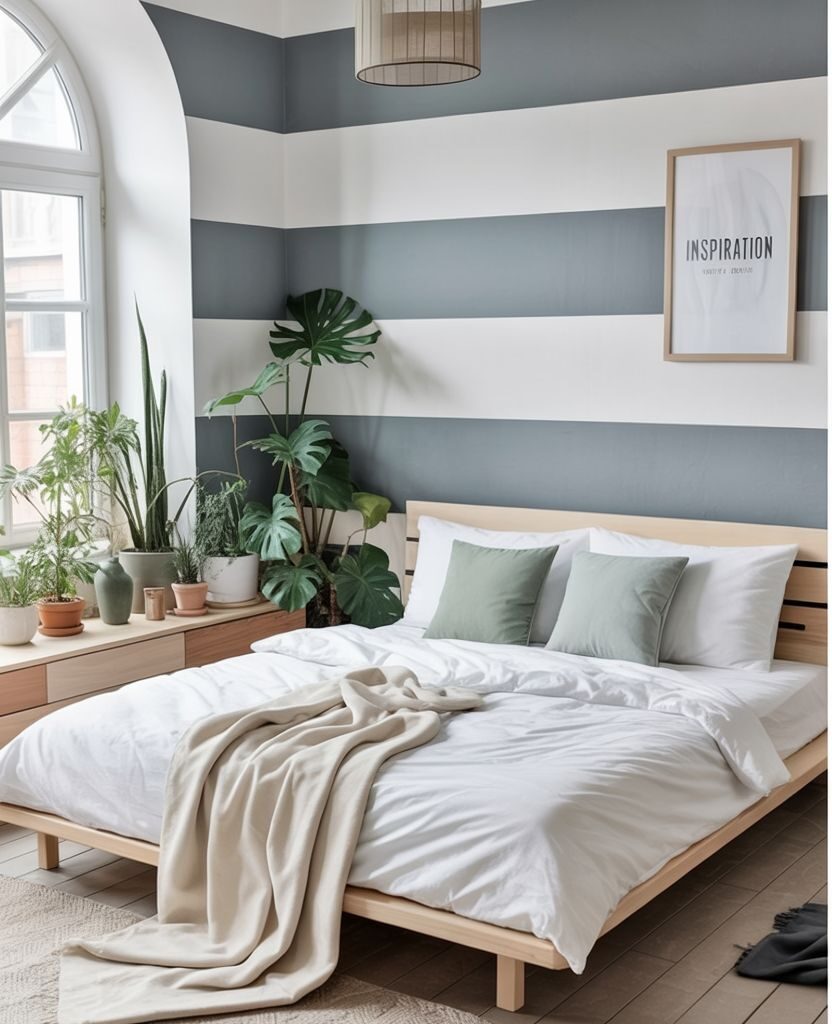
One of the most common mistakes in small bedroom design is choosing furniture that’s simply too big.
A king-sized bed might look luxurious in a showroom, but in a 10×10 room, it dominates the space. Instead, think light and low-profile.
Opt for a queen or full-size bed, and choose pieces that feel airy — think sleek bed frames, narrow nightstands, and furniture with legs that lift it slightly off the ground.
Artwork & Lighting: The Mood Makers
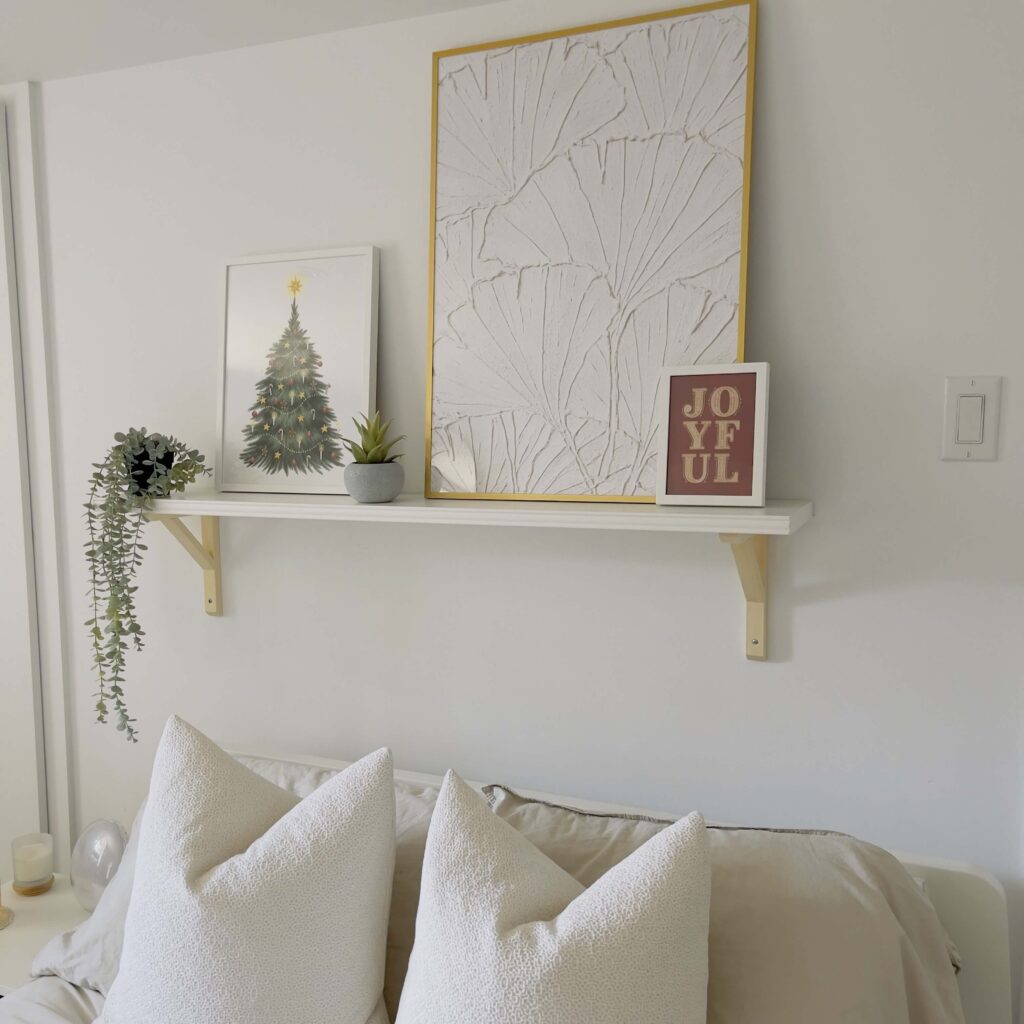
When color and light work in harmony, a small space suddenly feels expansive.
In my small bedrooms, I’ve always relied on neutral color palettes — beige, taupe, or soft grey — combined with layered lighting.
1. Smart Lighting Ideas for Small Bedrooms
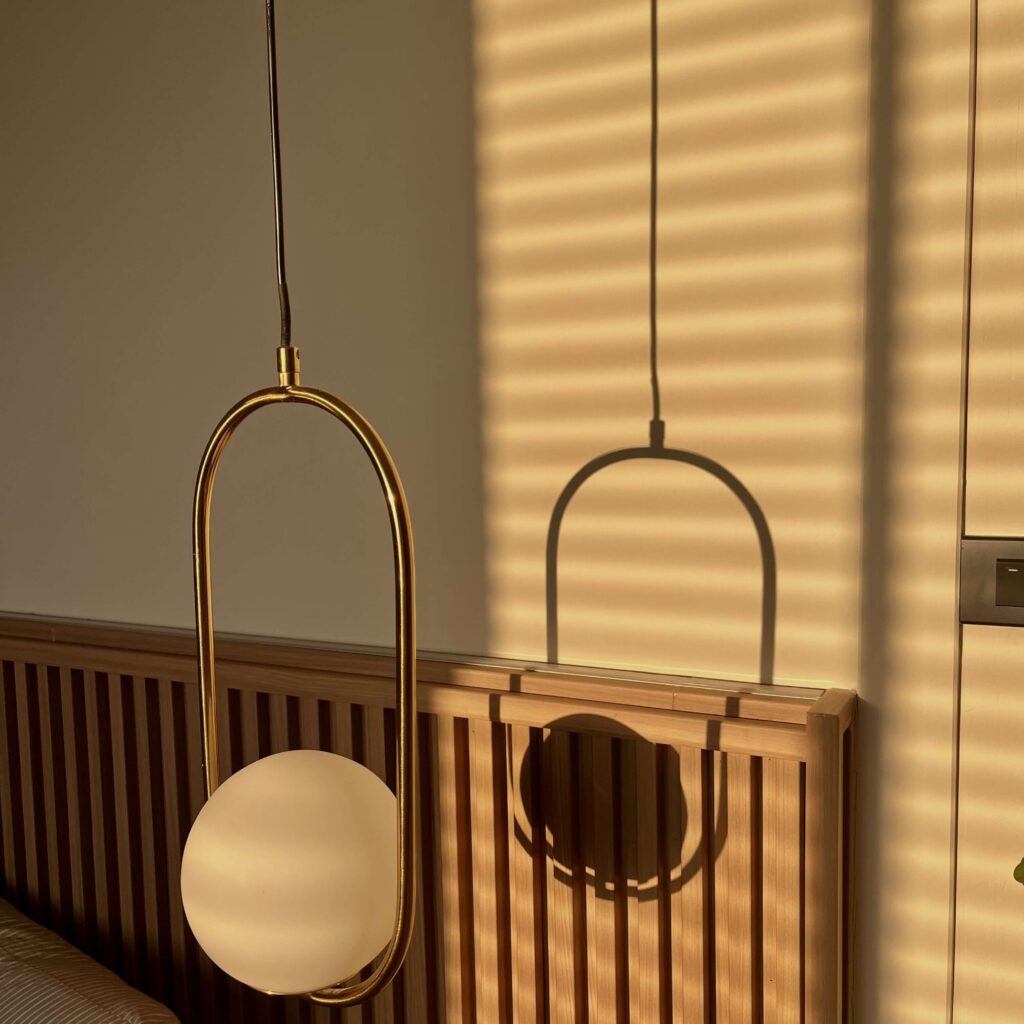
- Wall sconces or pendant lamps instead of bulky bedside lamps.
- Spotlights for reading corners or shelves.
- A cozy floor lamp for warmth and atmosphere.
- Curtains hung high (close to the ceiling) — they visually raise your ceiling height.
Pro Tip:
Use warm LED bulbs for a calm, cozy atmosphere. Cold white lights can make small rooms feel harsh and flat.
2. Common small bedroom layout mistakes to avoid
- Only relying on one overhead light (creates flat shadows).
- Dark lampshades that absorb light.
- Cluttered cords — hide them for a clean finish.
Decorating Hacks That Expand the Space
1. Use Mirrors the Right Away
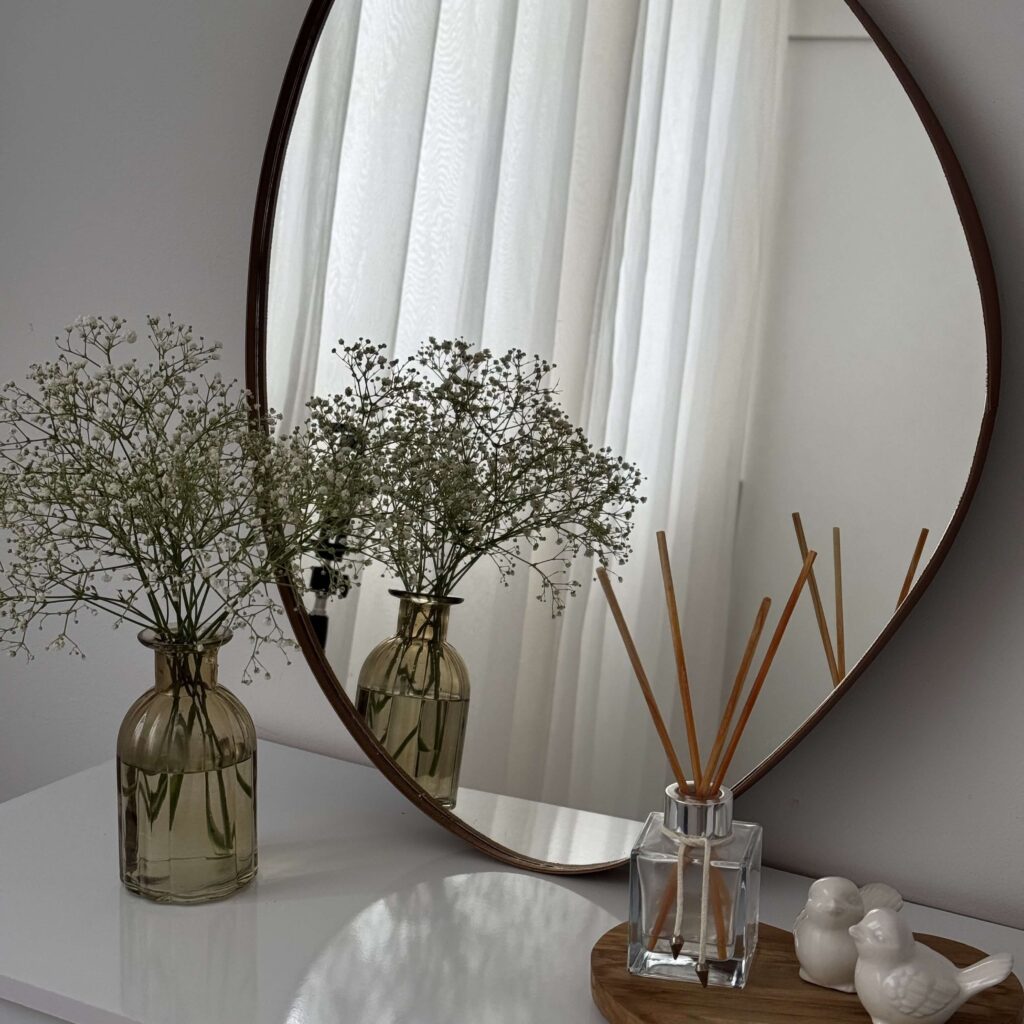
It’s no secret that mirrors can transform a small bedroom — but placement is everything.
A round mirror above the dresser bounces light around and makes the room feel airier.
Alternatively, a set of three to four smaller mirrors above the bed can create a classic, artful illusion of depth.
Why does it work?
Because mirrors reflect light and movement, tricking your brain into perceiving extra space.
Pro Tip:
Choose mirrors with thin frames or frameless designs for a modern, uncluttered aesthetic.
2. Declutter Regularly
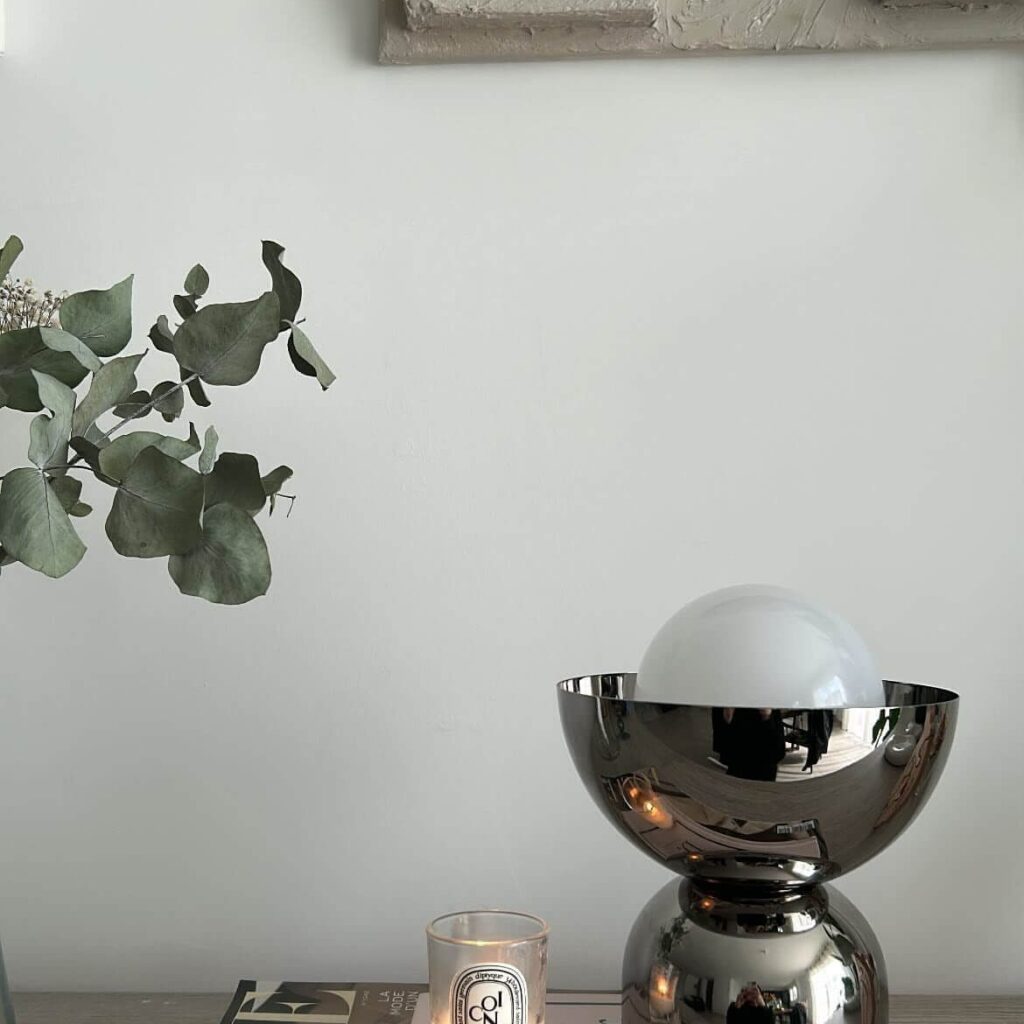
I’m saying this to myself as much as to you — decluttering is a small bedroom’s best friend.
Before buying something new, I always ask:
“Do I really need this? When did I last use it?”
Apply this mindset not only to décor but also to clothes and accessories. The less visual noise, the calmer and larger your space feels.
Bonus Tip:
Donate or store items that don’t bring joy — and use clear storage boxes under your bed for what remains.
3. Add Plants — the Right Kind
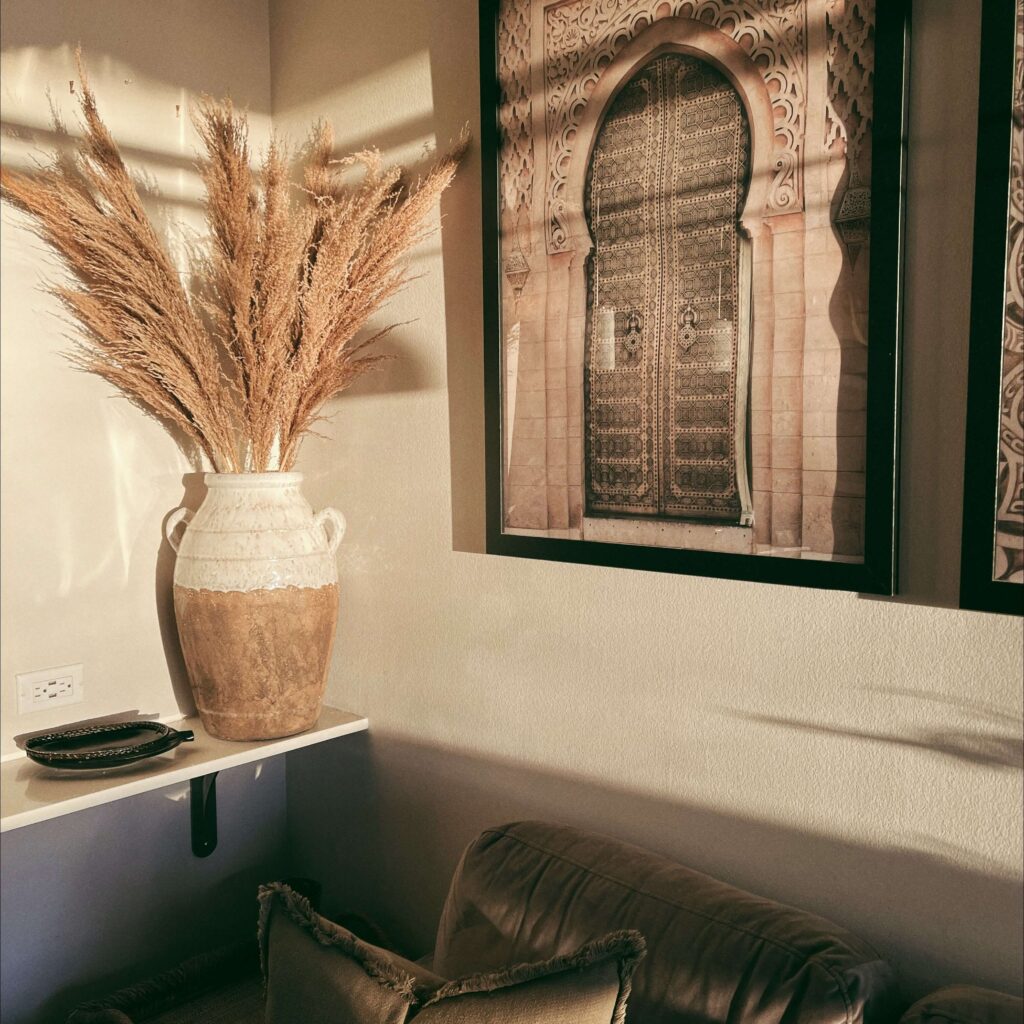
Artificial plants might be trendy, but they can’t replace the feeling of real greenery.
Plants bring life and softness to a small room, balancing the neutral tones and textures.
If you’re short on space, hanging plants or wall planters are perfect — they add freshness without stealing floor space.
Not a fan of maintenance?
Try pampas grass or dried flowers in a vase for a low-care natural look.
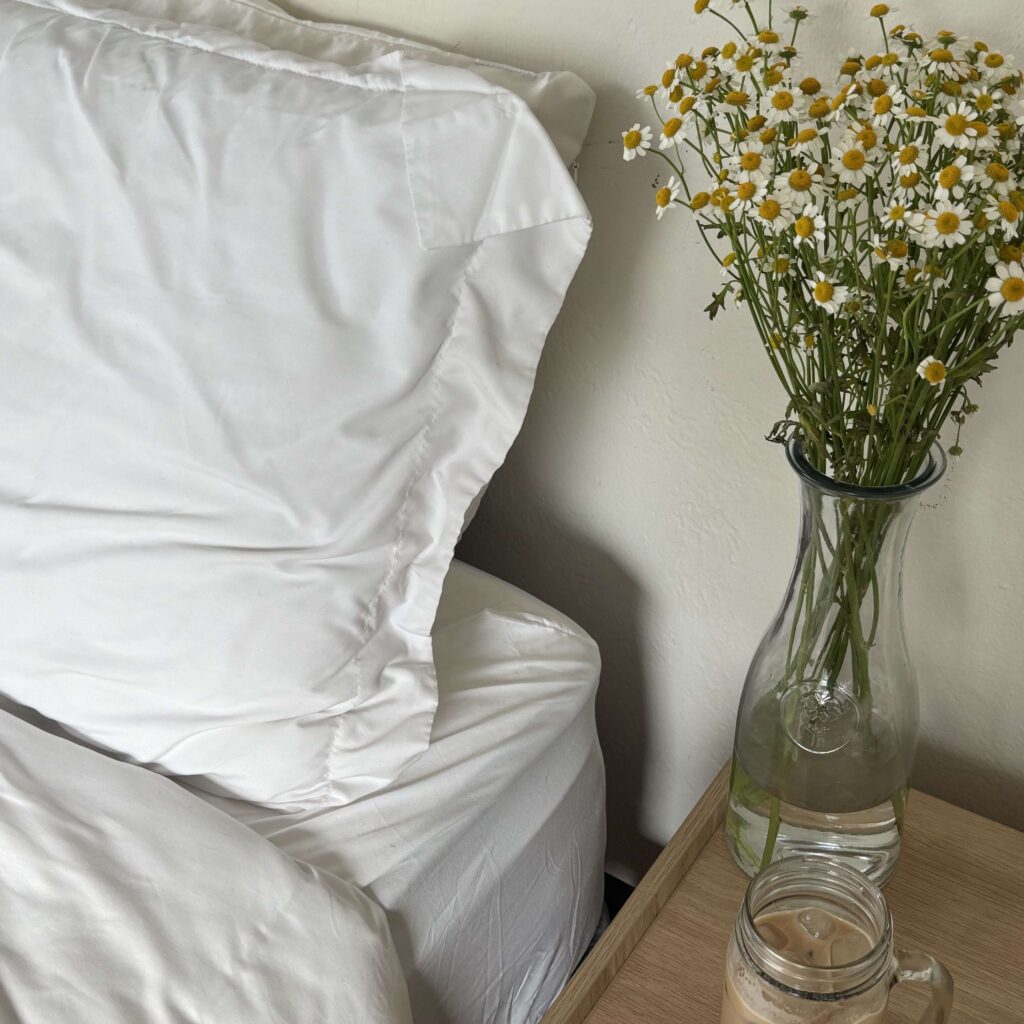
Why it works:
Ever noticed how a touch of nature instantly calms your mind? Natural elements connect your space to nature, which psychologically reduces stress and makes a room feel more open and breathable.
Pro Tip: Bed Placement Matters
The easiest way to save floor space is to push your bed against the wall or into a corner.
It not only opens up the center of the room but also creates a cozy nook.
Just keep your bedding simple and bright — too many pillows or layers can make it look cramped.
Small Bedroom Color & Layout Ideas
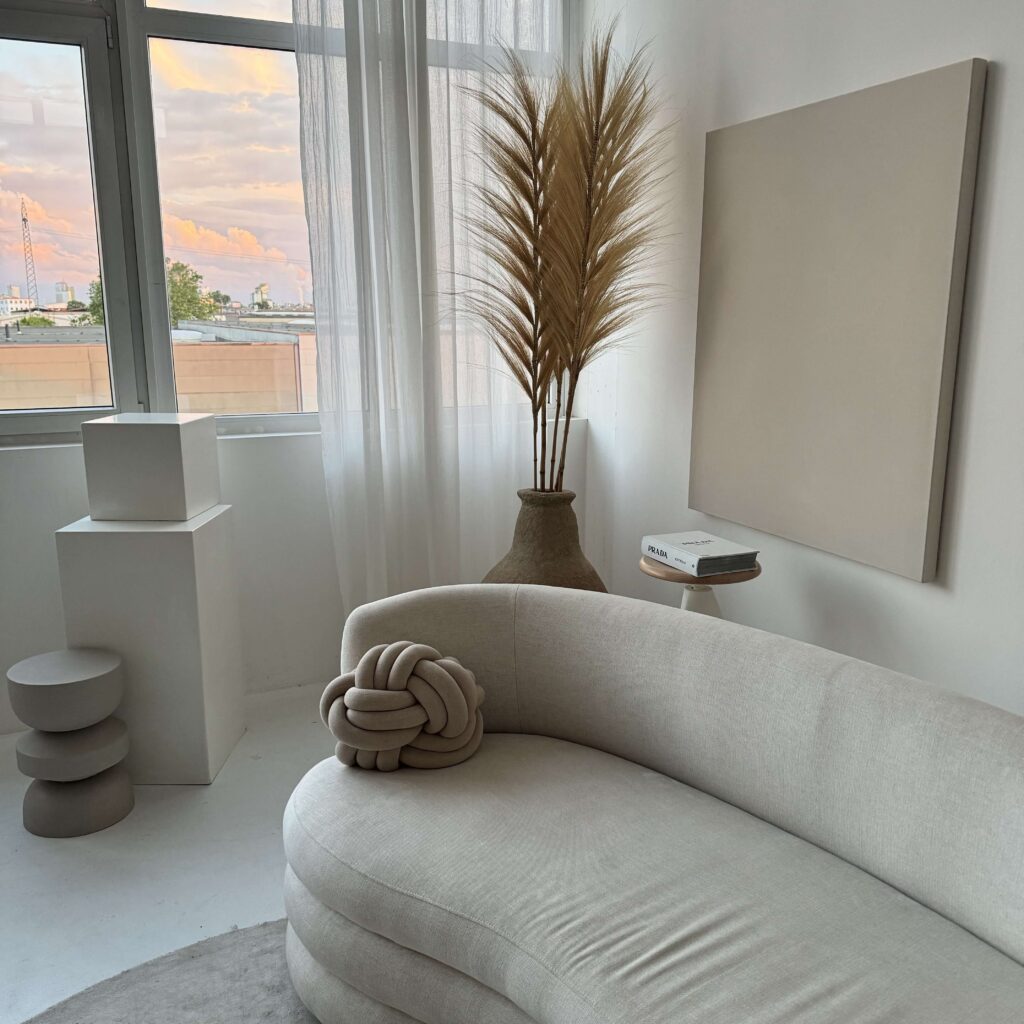
Colour is one of the easiest — and most powerful — ways to transform a small bedroom.
When I redesigned my own tiny room years ago, I remember being amazed by how different it felt just by changing the bedding and wall shades.
It suddenly felt calmer, lighter, and… bigger.
That’s the thing about colour — it plays tricks on the eye. The right tones can open up your space, while the wrong ones can make it feel closed in.
1. Choosing Colours That Make Your Small Bedroom Feel Bigger
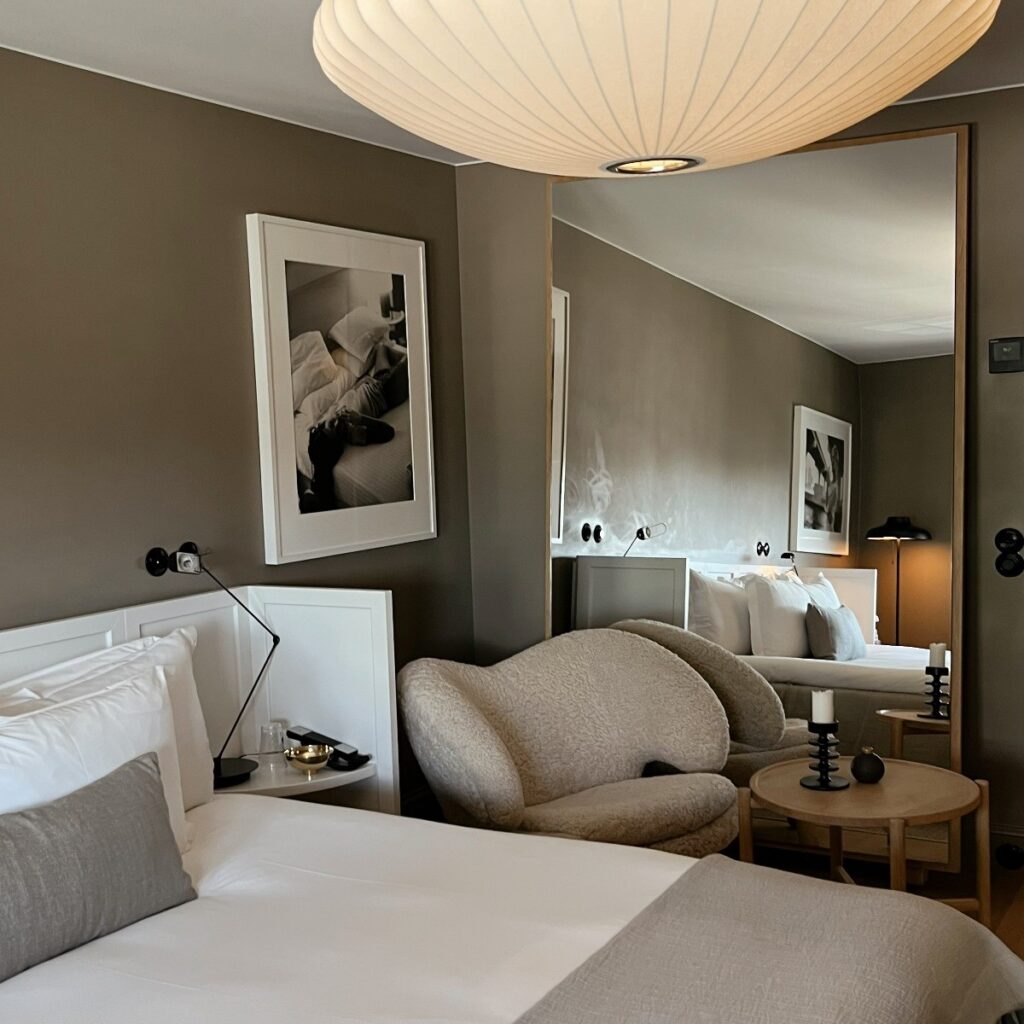
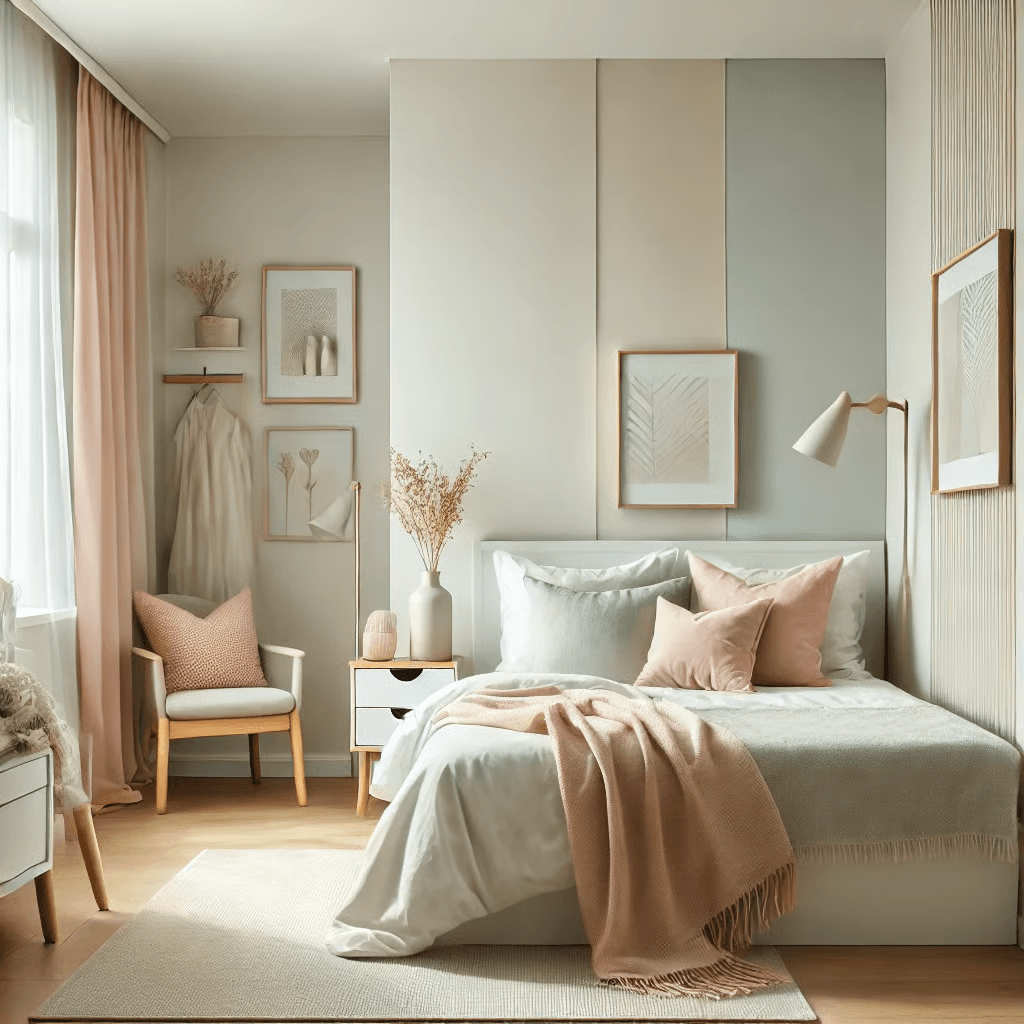
Soft, neutral shades are always a safe (and elegant) choice.
Think creamy whites, beiges, and pale greys — colours that reflect natural light and make your room feel airy.
If you love a touch of personality, go for muted pastels like sage green or dusty rose — gentle enough not to overwhelm, but warm enough to bring comfort.
If you crave contrast, paint one accent wall in a darker shade. It adds just enough depth without shrinking the space. Personally, I once used a soft taupe wall behind my bed, and it instantly made the room feel more intentional and styled — without any fancy décor.
Styling tip:
Use natural fabrics — like linen or cotton bedding — in matching tones. This keeps your palette consistent and relaxing.
2. Smart Layout Tips to Maximise Space
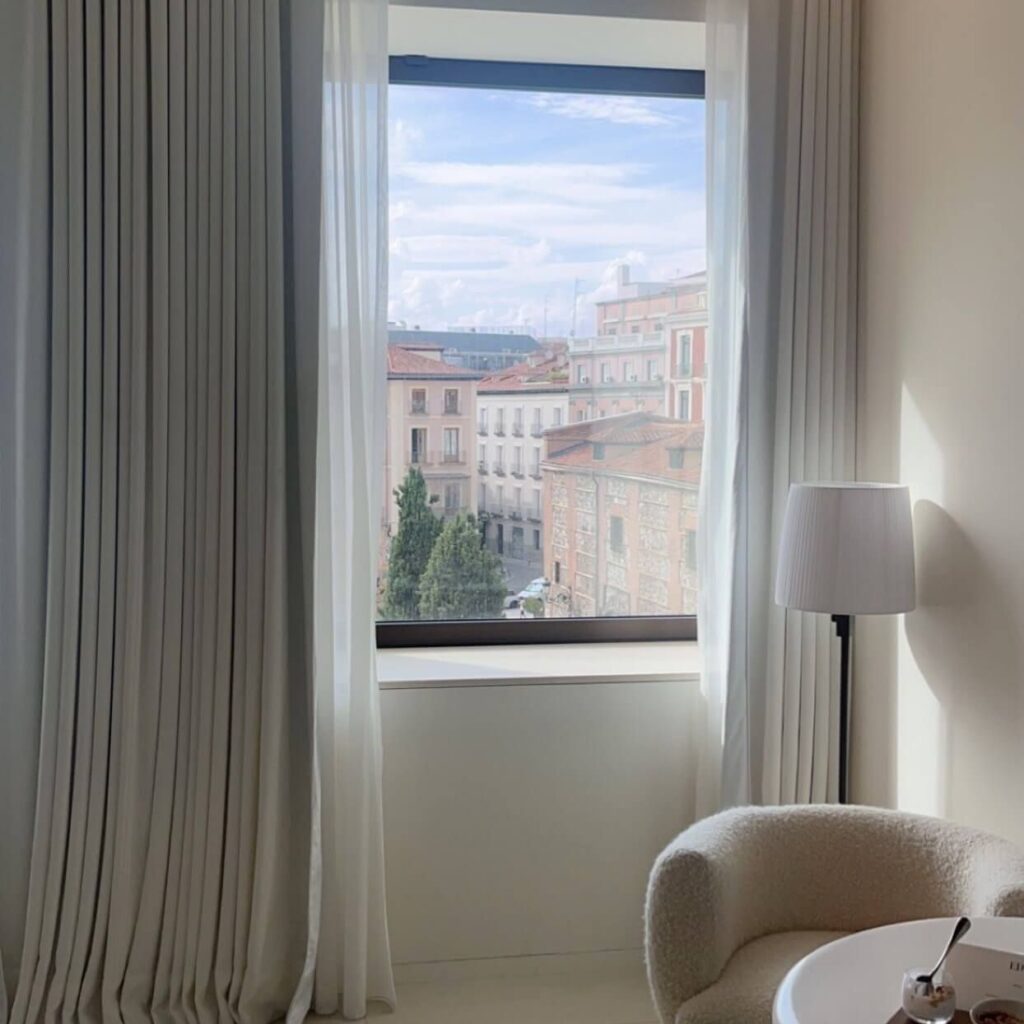
When it comes to layout, think flow. Every inch matters in a small room, so arrange furniture to create open pathways.
Here’s what I’ve learned works best:
- Place your bed where it catches natural light (usually opposite the window).
- Add a soft rug to define a reading nook or vanity area.
- Use a narrow console table or floating vanity with mirror lighting — functional, but visually light.
- Keep your furniture close to the walls, but leave breathing room; it helps create the illusion of more space.
Sometimes, even shifting your bed a few inches can change how the entire room feels. Trust your eye — if it feels “stuck”, it probably is.
Common Small Bedroom Design Mistakes to Avoid
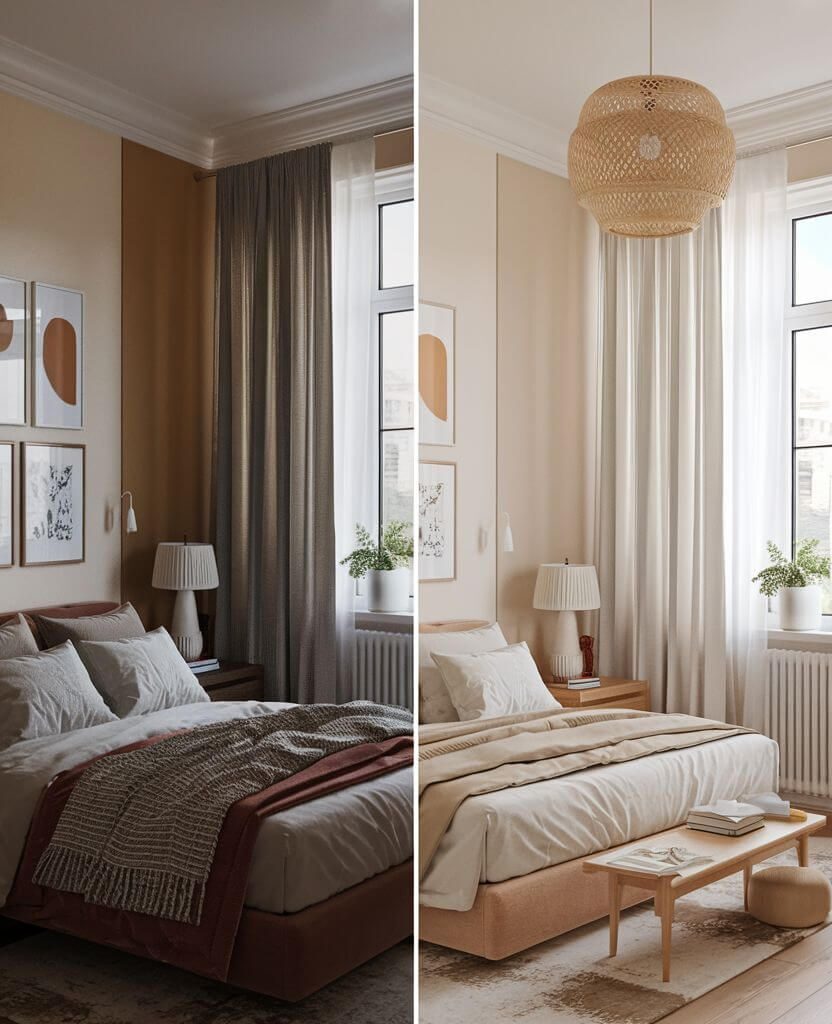
Even the best ideas can backfire if you’re not careful. I’ve made my fair share of décor mistakes — like choosing a beautiful but too-dark paint colour that instantly made my room feel smaller.
Here’s what I’ve learned (so you don’t have to repeat it):
- Avoid using too many bold or dark colours — they absorb light.
- Mixing multiple patterns and textures can make a space feel busy. Stick to one hero texture (like linen or rattan).
- Avoid placing all your furniture in the centre — asymmetry often makes a room more dynamic and functional.
- Skip heavy curtains; light, flowy fabrics keep things airy and bright.
Designing with Heart and Intention
When you design a small bedroom, don’t think of it as “less space” — think of it as more opportunity to be intentional.
Every choice, from the wall colour to where you hang your mirror, can add personality and calm.
Looking for more ways to style your space with soothing neutral tones?
Don’t miss my post on 10 dreamy grey boho bedroom ideas — it’s full of cozy textures and calming colour inspiration.