The Complete Guide to Lemon Kitchen Decor: Ideas, Accessories, and How to Style It
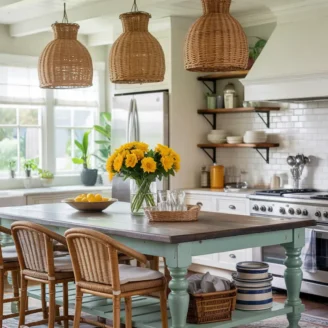
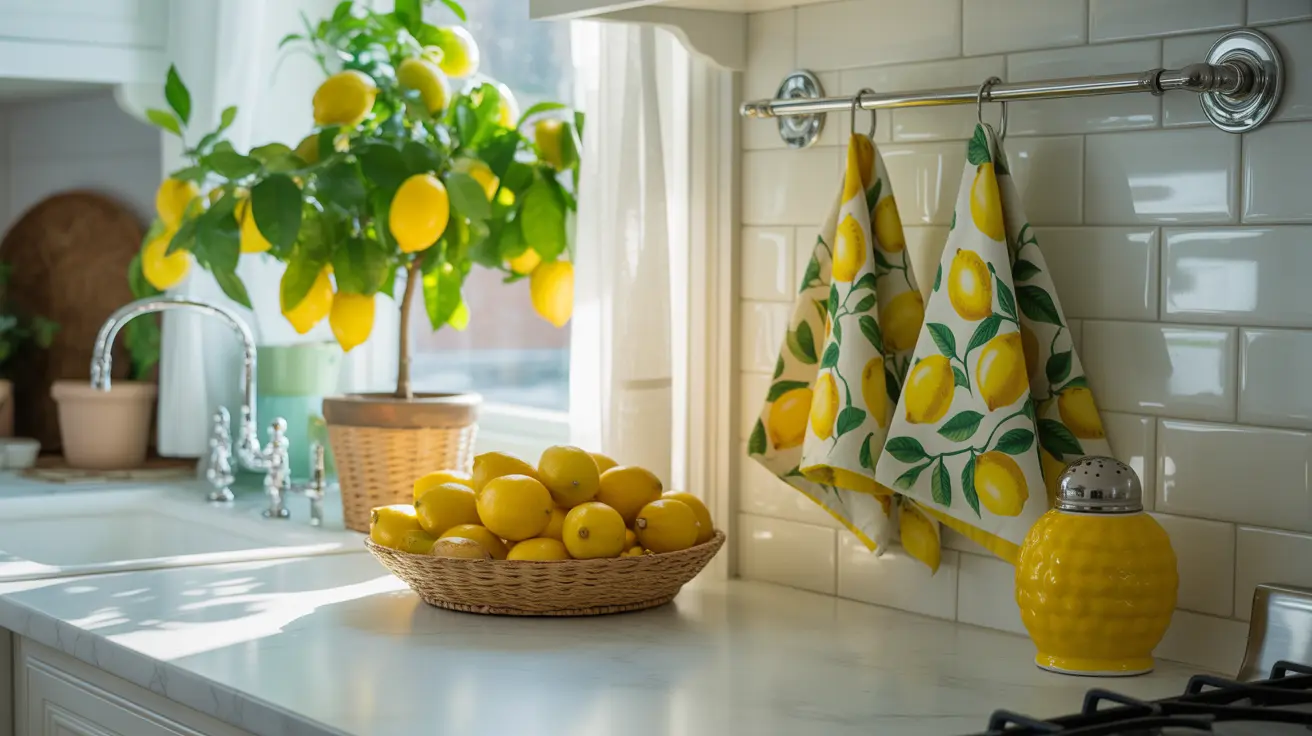
You don’t need to paint, renovate, or replace anything to give your kitchen a lemon-themed look. With the right mix of textiles, ceramics, and small accents, any kitchen — from a small apartment galley to a big farmhouse-style cook space — can feel bright and Mediterranean for less than the cost of a single piece of new furniture.
This guide covers everything: color palettes that actually work, the specific accessories worth buying, where to put them, and what to skip.
Why Lemon Kitchen Decor Works
Lemons fit in a kitchen in a way that themed decor usually doesn’t. A bowl of lemons on the counter, a citrus-print towel by the sink, a sprig of rosemary next to a jar of preserved lemon peels — none of it looks out of place because it all belongs there anyway.
The theme follows the kitchen, not the other way around. That’s what makes it so easy to pull off without overdoing it.
Yellow, white, and green also happen to work against almost any cabinet color. Lemon decor sits naturally in white kitchens, adds warmth to gray ones, pops against navy, and softens dark wood. That versatility is rare in a decor theme — it doesn’t depend on matching your cabinetry.
The 3 Best Color Palettes for Lemon Kitchens
Successful lemon kitchens lean on three palette choices. Pick one and stay consistent — mixing palettes is where most lemon kitchens go wrong.
Palette 1: Yellow + White (The Classic)
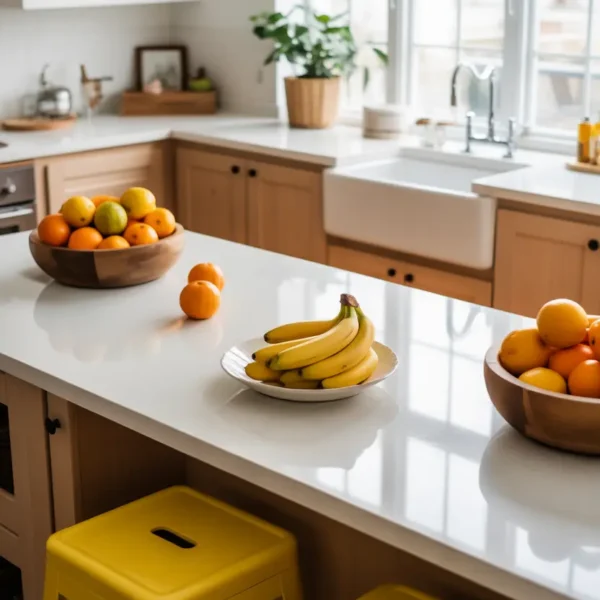
Crisp and fresh, and it works in almost any kitchen. Use white as the dominant color — cabinets, walls, large surfaces — with yellow as the accent in towels, bowls, and art. Let natural materials like wood cutting boards and woven baskets add texture. This palette is the easiest place to start if you already have white or off-white cabinetry.
Palette 2: Yellow + White + Sage Green
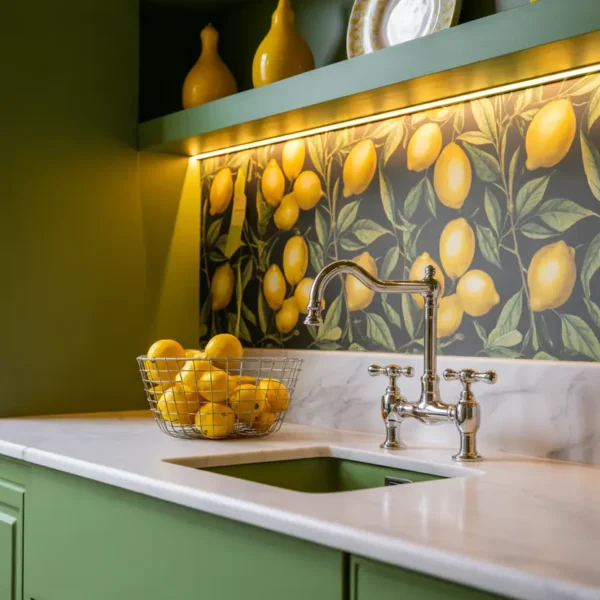
The modern Mediterranean look. The sage green adds a layer of depth without making it feel heavy. It shows up naturally in real herbs on the counter, in ceramic accents, and in printed tea towels or curtains. Works best in kitchens with white or cream cabinets and natural wood floors.
Palette 3: Yellow + Navy + Natural Wood
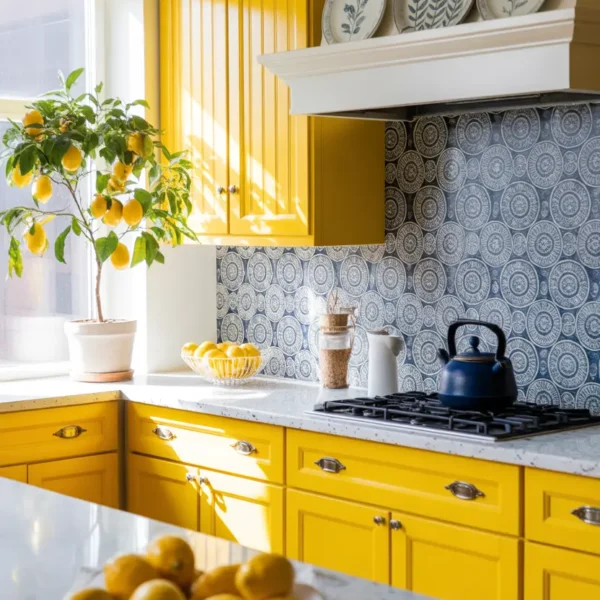
The coastal Italian palette — bold but grounded. It works well in older homes with character. Navy comes through in striped textiles, ceramic patterns, and possibly the backsplash. Yellow stays as a smaller accent — a bowl of lemons, a few printed towels. Natural wood ties it all together. Best for kitchens that don’t rely on a neutral, minimal aesthetic.
12 Easy Ways to Add Lemon Style to Your Kitchen
Ranked roughly from lowest commitment to highest, so you can stop wherever your budget and aesthetic comfort level lands.
1. Lemon-Print Kitchen Towels
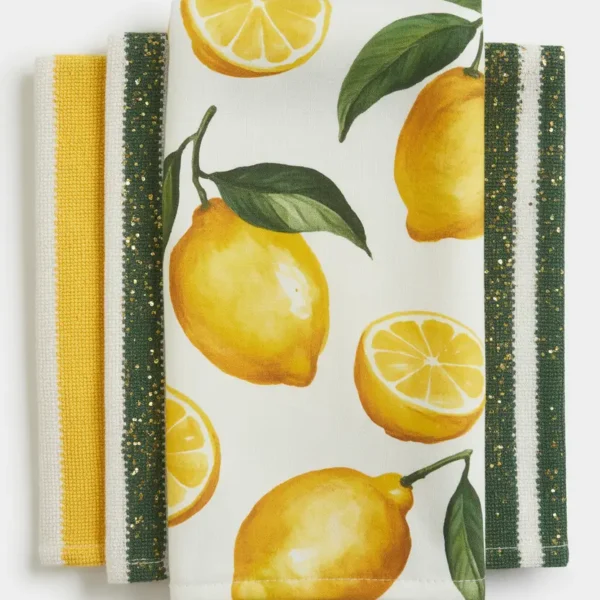
The easiest way to try the look without committing to anything. A set of 3–4 lemon-print cotton towels ($15–25 on Amazon) instantly brightens an oven handle, dishwasher, or counter.
You’ll find two main styles: watercolor lemon prints, which are softer and work in more traditional kitchens, and graphic lemon prints, which are bolder and suit modern spaces better. Either way, start here before buying anything else.
2. A Bowl of Real or Faux Lemons
A bowl of lemons is probably the most-pinned kitchen styling idea on Pinterest, and for good reason — it costs almost nothing and it works. A simple wooden, ceramic, or wire bowl filled with 8–12 lemons becomes an instant counter centerpiece.
Use real lemons if you cook with them regularly (they last 2–3 weeks at room temperature); go faux for a permanent display you don’t have to replace.
3. Ceramic Lemon Bowls
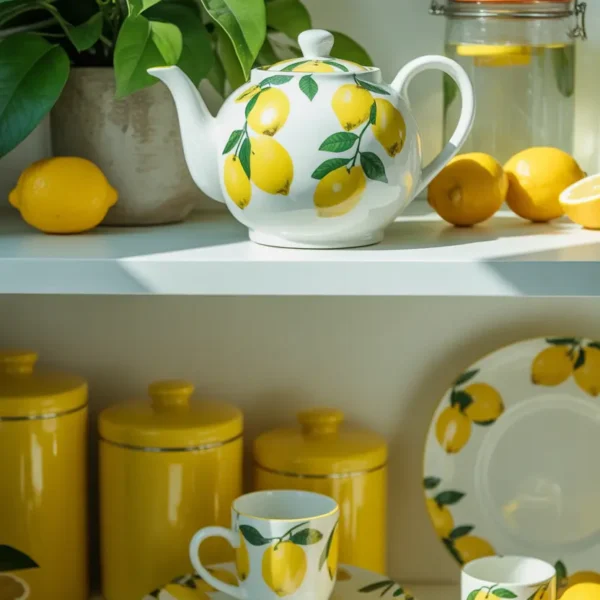
Hand-painted Italian majolica-style bowls with lemon and leaf motifs work as fruit bowls and decor pieces at the same time. Look for 8–12 inch diameter bowls in white with hand-painted lemon designs. Quality versions run $30–80; budget options $15–25. They look far more expensive than they cost.
4. Faux Lemon Garland
Drape a 4-6 foot faux eucalyptus garland with attached faux lemons above the kitchen window, along open shelving, or above the range hood. Adds height and movement to flat kitchen walls. Around $20-35 on Amazon.
5. Canisters with Lemon Motifs
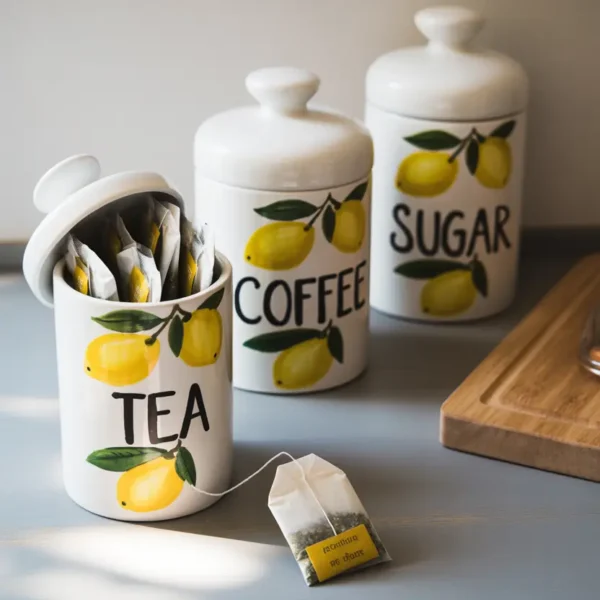
Swap plain flour, sugar, and coffee canisters for ones with lemon designs. Even a single canister against plain cabinetry makes a difference. Go for ceramic versions — they’re durable and look good on a shelf — over glass with applied stickers, which tend to look cheap once you’re close up.
6. Lemon Print Tea Towels as Wall Art
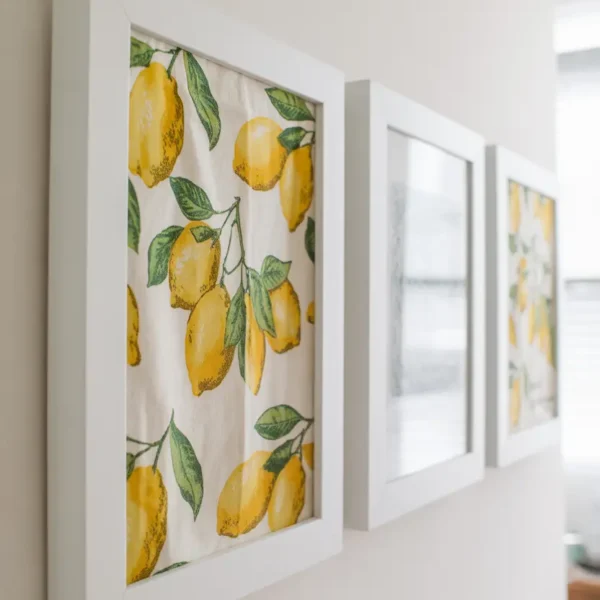
Frame a well-designed lemon tea towel in a simple white frame for surprisingly good wall art. A 24×36 inch frame around a vintage-style lemon tea towel costs about $30 total, and the result holds up next to art that costs far more. Hang two or three together for real impact.
7. Yellow Striped Runner on the Island
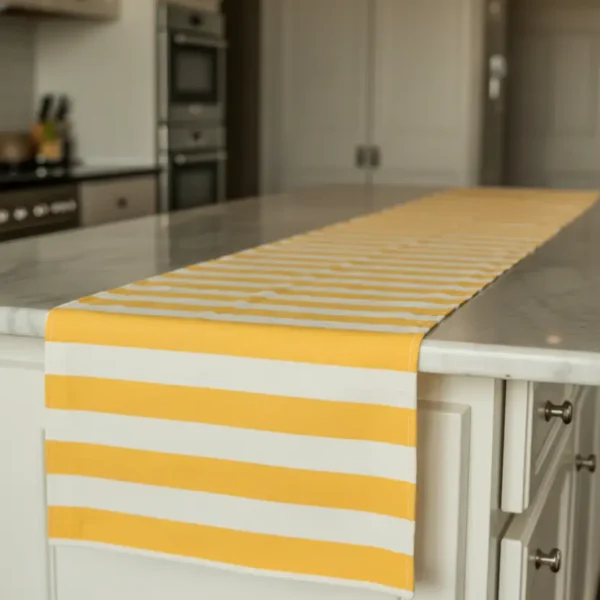
If your kitchen has an island, a yellow-and-white striped runner along its length adds color without committing to anything permanent. Around $15-25 for a 60-inch runner. Easy to remove for big cooking projects, easy to reposition seasonally.
8. Lemon-Themed Cutting Boards
This is for display, not cutting. A wooden board with a lemon decal or wood-burned lemon design, propped on the counter against the backsplash, adds a rustic, homemade feel. Look for 12–16 inch boards with simple lemon or citrus designs — not overly decorative. $20–45 on Etsy or HomeGoods.
9. Cabinet Hardware Refresh
Swap existing cabinet hardware for brushed brass or polished gold pulls. This single change shifts a basic white kitchen toward Italian-coastal without any other changes. A complete hardware refresh costs $80-200 depending on cabinet count.
10. Open Shelving Styling
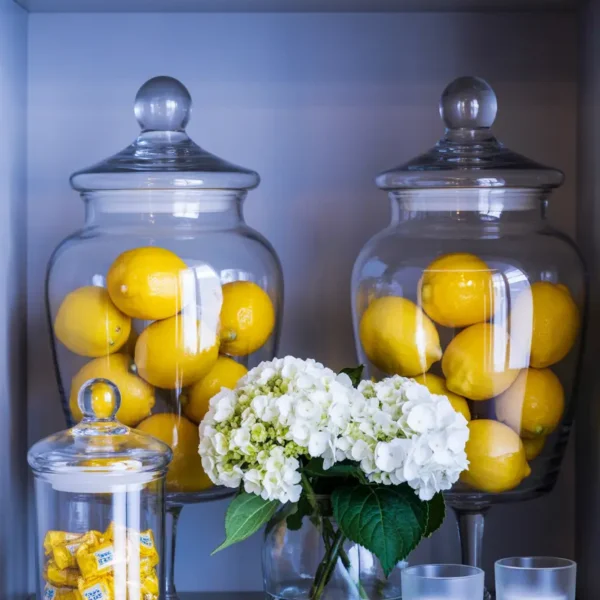
If you have open shelving, style one shelf as a small lemon vignette: stack white plates, add a ceramic lemon bowl with 3–4 lemons, lean a small piece of lemon art against the back wall, and add a potted herb like basil or thyme. It looks like it belongs there — not like a themed display someone put together for Instagram.
11. A Lemon Wreath on the Cabinet
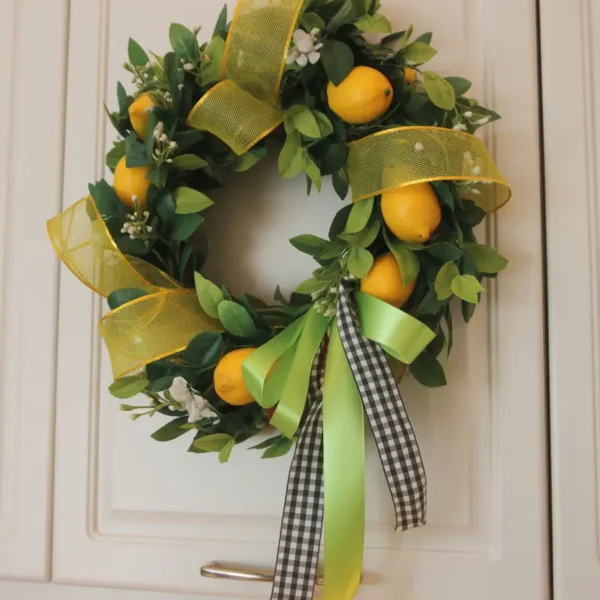
Hang a small (12–14 inch) faux lemon wreath on a cabinet front, a kitchen window, or above the range. Most people only put wreaths on front doors, so placing one inside the kitchen feels unexpected and a bit more considered. Handmade options on Etsy run $25–50.
12. Coordinated Bar Cart
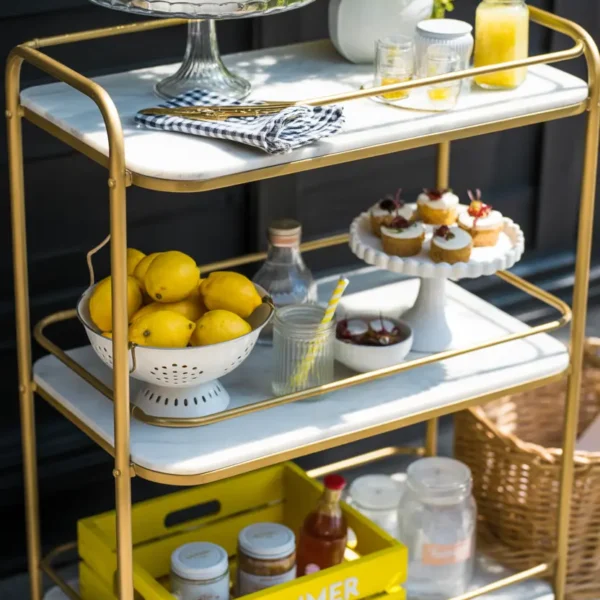
If your kitchen has a bar cart or coffee station, lean fully into the lemon theme there: a small ceramic lemon pitcher, lemon-printed cocktail napkins, a glass jar with dried lemon slices for drinks, brass or gold cocktail accessories.
Because the cart has a clear practical purpose, the lemon styling looks like a natural extension of how you use it — not a theme someone glued on.
Lemon Kitchen Decor by Budget
Three complete kitchen refreshes at three budgets, with everything you’d actually buy.
- Set of 3 lemon towels ($20)
- Faux lemons, 12 pack ($25)
- Small ceramic bowl ($15)
Total: ~$50 — the minimum to test the look.
- Set of 3 lemon towels ($20)
- Faux lemons, 12 pack ($25)
- Ceramic majolica bowl ($35)
- Faux lemon garland ($25)
- Yellow striped runner ($15)
Total: ~$120 — visible in every corner of the kitchen.
- Set of 3 lemon towels ($20)
- Faux lemons, 12 pack ($25)
- Ceramic majolica bowl ($60)
- Faux lemon garland ($30)
- Yellow striped runner + napkins ($45)
- Brass cabinet hardware ($60+)
- Lemon wall art / framed tea towel ($30)
Total: ~$270 — the complete transformation.
Common Mistakes in Lemon Kitchens
- Painting cabinets yellow. Permanent, hard to undo, and tips the kitchen toward kid-themed. Keep yellow as accents only — never on large surfaces.
- Mixing too many lemon styles. Realistic faux lemons + cartoonish prints + watercolor art creates visual chaos. Pick one register and stick to it.
- Forgetting greenery. Lemons alone look artificial. Add live herbs (basil, rosemary), eucalyptus stems, or olive branches throughout.
- Buying matching sets. A complete ‘lemon kitchen set’ from one brand reads themed rather than styled. Mix sources — Amazon towels, HomeGoods bowl, Etsy art.
- Overcrowding small kitchens. Small kitchens need 2-3 pieces maximum. More accents make the space feel chaotic, not styled.
Best Sources for Lemon Kitchen Decor
- Amazon — best for textiles (towels, runners), faux lemons, and budget ceramics. $10-40 range.
- HomeGoods / TJ Maxx — best for ceramics and unique one-off pieces. Variable but often great quality. $8-35.
- Etsy — best for handmade wreaths, framed art, and unique ceramic pieces. $25-120.
- Williams Sonoma / Pottery Barn — best for high-end ceramics and table linens. $30-150.
- Target — best for seasonal lemon accents that show up every spring/summer. $5-30.
Frequently Asked Questions
Will lemon kitchen decor go out of style?
Lemon decor has been a kitchen staple for decades — Italian majolica with lemon motifs has been made for over 200 years, and the modern version has been popular since the early 2010s.
While specific styles (graphic prints vs. watercolor) cycle in and out, the underlying yellow-and-white kitchen aesthetic is one of the most enduring decor themes. Buy classic pieces — ceramic bowls, simple printed towels — and they’ll work for 10+ years.
How do I make lemon decor work in a small kitchen?
In small kitchens, less is more. Stick to 2–3 pieces total: one prominent piece (a bowl of lemons on the counter), one textile (a towel or runner), and one wall element (a small framed print or wreath). Adding more will make the space feel cluttered. In a small room, every object is visible all at once — so a little goes a long way.
Can lemon decor work with modern kitchens?
Yes — modern kitchens with gray cabinets and minimal surfaces actually benefit from lemon accents because the yellow adds warmth without competing with the architecture. Stick to graphic, modern lemon prints rather than vintage Tuscan styles, and use brass hardware to tie the warm tones together. Keep it to 2–3 pieces and it works well.
What’s the single best lemon kitchen accessory to buy first?
A set of 3-4 quality cotton lemon-print kitchen towels. They’re under $25, instantly visible, work in any kitchen size, and let you test the aesthetic before committing to bigger pieces. If the towels look great in your space, you’ll know to invest more; if they don’t, you’ve spent under $30.
Should I use real or faux lemons in the kitchen?
Use both. Keep a bowl of real lemons on the counter for cooking — they last 2–3 weeks at room temperature and look fresh the whole time.
Use faux lemons for permanent displays: garlands, wreaths, decorative bowls on shelves you don’t reach every day. A mix of real and faux looks better than all-faux, and you’re not buying lemons just to let them go bad.
Start Small
If you’re new to lemon kitchen decor, don’t try to transform the entire space at once. Start with the $50 refresh — a set of towels, a dozen faux lemons, and a small bowl. Live with it for a few weeks and see what you like.
Add a garland next, then a runner, then maybe some wall art. Building gradually means you can adjust what’s not working before committing more money. The best lemon kitchens look like they evolved over time, because they did.
Related Articles
- The Ultimate Guide to Lemon Decor: https://stylicia.com/lemon-decor — the full overview across kitchen, table, wedding, DIY.
- Lemon Table Decor Guide: https://stylicia.com/lemon-table-decor — bringing the kitchen aesthetic to your dining table.
- Yellow Kitchen Ideas: https://stylicia.com/yellow-kitchen-ideas — beyond just lemons, the full range of yellow kitchen styling.
- DIY Lemon Wreath Guide: https://stylicia.com/lemon-wreath-diy — make your own lemon wreath for cabinet or door.