Budget Wedding Planning 2026: How to Plan a Beautiful Wedding
Disclosure: This post contains affiliate links. If you purchase through one of my links, I may earn a small commission at no extra cost to you. I only recommend products I genuinely love and think you’ll find useful.
Budget wedding planning 2026 in looks completely different from what it did five years ago — and that’s very good news for couples who want a beautiful day without starting married life in debt.
This complete guide to budget wedding planning covers every major category: venue, florals, catering, decor, attire, and everything in between. Whether you’re working with $8,000 or $20,000, these strategies will help you stretch every dollar without cutting what actually matters.
Start With a Real Budget — Not a Wish Number
The first rule of budget wedding planning in 2026: set a real number before you fall in love with anything. Most couples go over budget for one simple reason — they set a number based on what they hope to spend rather than what they actually have. Before you book a single vendor, get honest about your real number. Add up your savings, any family contributions, and what you’re genuinely comfortable putting on a card (with a plan to pay it off).
Once you have that number, take 10% off the top immediately as a buffer. Unexpected costs will come up — a last-minute rental, additional postage, day-of gratuities. That buffer is not a bonus spending fund. It’s your insurance policy.
Then divide the remaining amount across these core categories using rough percentage guidelines:
- Venue + catering: 45–50%
- Photography/videography: 10–12%
- Florals + decor: 8–10%
- Music/entertainment: 5–8%
- Attire + beauty: 5–8%
- Stationery + favors: 2–3%
- Transportation + miscellaneous: 3–5%
- Buffer: 10%
These aren’t rules — they’re starting points. If photography is your top priority, shift money from florals. If you’re DIYing decor, redirect that percentage to catering. The key is making intentional trade-offs rather than letting every category creep upward unchecked.
For tracking, a simple spreadsheet works perfectly. Create columns for: category, budgeted amount, deposit paid, balance due, and due date. Update it every time money moves. You’ll always know exactly where you stand.
The Guest List Is Your Single Biggest Budget Lever
Nothing affects budget wedding planning more directly than your guest count. Every additional guest adds to your catering cost, your venue size requirement, your invitation and postage spend, your chair and linen rentals, and your cake servings. For most couples, each guest represents somewhere between $100–$200 in total spend when you add it all up.
An intimate wedding of 40–60 people doesn’t just cost less — it often feels better. Longer conversations, more meaningful moments, and a dinner-party atmosphere that a 200-person event simply can’t replicate.
If trimming your list feels uncomfortable, try this: divide your guest list into three tiers. Tier 1 is your absolute non-negotiables — immediate family and closest friends. Tier 2 is people you genuinely love but could celebrate with at a separate dinner. Tier 3 is everyone else. Start from Tier 1 and only expand upward as your budget allows.
One more thing: be consistent with your rules. If you decide no coworkers, stick to it. If you decide partners only for 2+ year relationships, apply that across the board. Nothing creates more awkwardness in a guest list than exceptions that feel random.
Choosing an Affordable Venue Without Compromising the Vibe
Venue choice is where budget wedding planning in 2026 can make or break your numbers — it’s typically 30–40% of your total spend, which means it’s also where the most savings live. The trick is finding spaces with inherent beauty that don’t need much added to look wedding-ready.
Some of the best affordable venue options for 2026:
- Public gardens and parks: Many require only a permit fee ($100–$500) and have built-in natural beauty. Check your local parks department for ceremony permits.
- Family property or a friend’s backyard: The most personal option, with essentially no rental cost. You’ll need to factor in tent rental, restroom facilities, and power access.
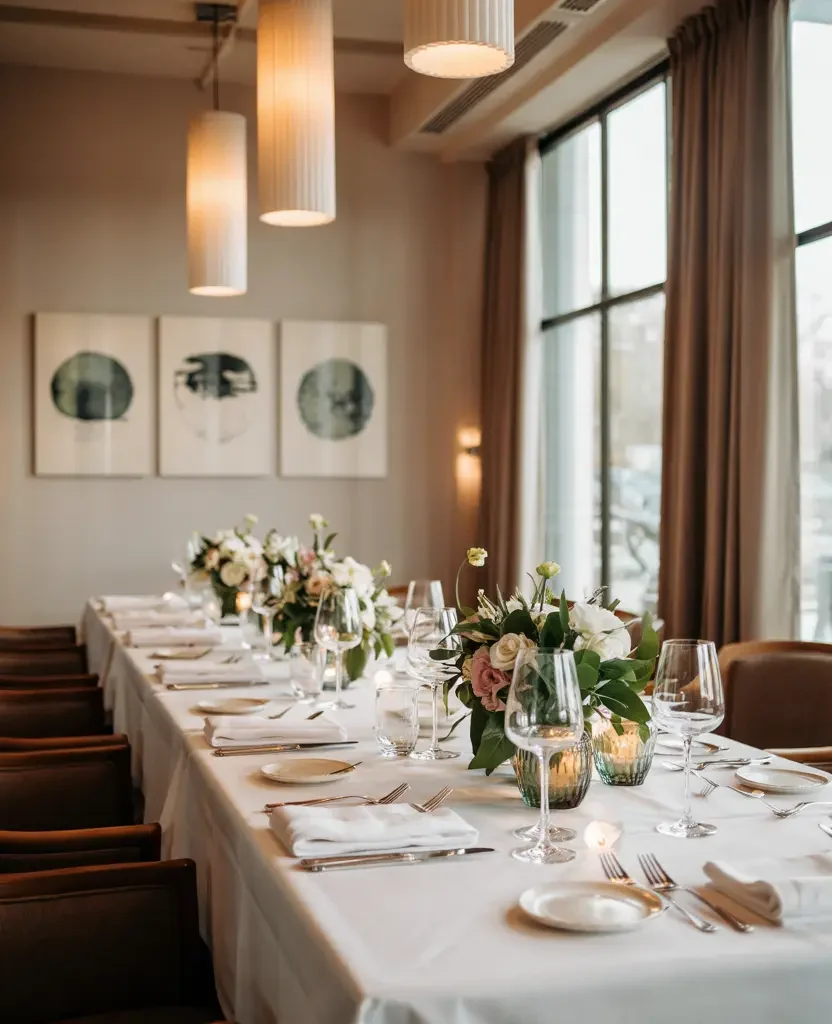
- Restaurant private dining rooms: All-in-one venues that bundle food, service, and space. Often dramatically cheaper than traditional wedding venues because the per-head catering cost is lower.
- Community halls and historic buildings: Often available for $500–$2,000, especially in smaller cities and towns. Many have incredible character — original woodwork, high ceilings, period details — that a generic wedding venue can’t match.
- Off-peak dates: Friday evenings and Sunday afternoons can be 20–30% cheaper than Saturday rates at the same venue. January through March is significantly cheaper than May through October almost everywhere.
When comparing venues, always ask what’s included in the rental. Tables, chairs, linens, setup time, breakdown time, parking — these add up fast as rentals if they’re not included. A venue that costs $500 more but includes everything can easily be cheaper than a “cheaper” venue with $1,500 in rental add-ons.
For more ideas on finding the right setting, check out our article on the best cheap wedding venues that don’t look cheap.
Budget Wedding Florals: What to DIY, What to Buy, and What to Skip
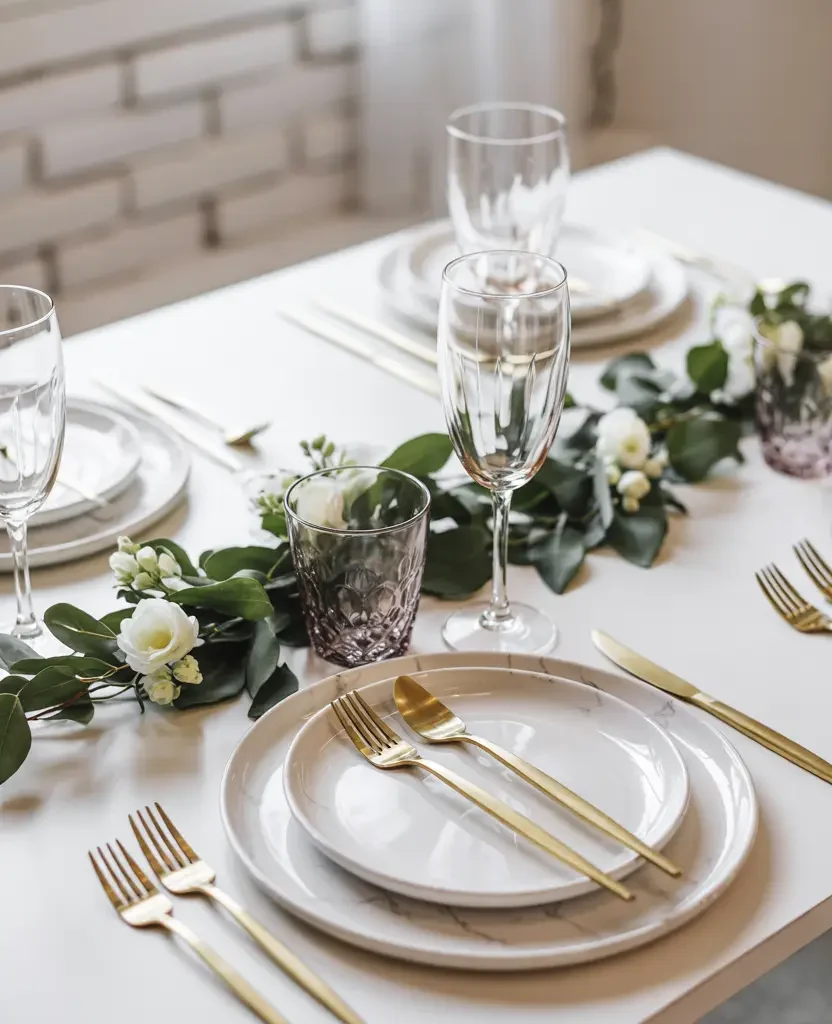
Florals are one of the most emotionally loaded parts of a wedding — and one of the easiest places to overspend without realizing it. A full-service florist for a 100-person wedding can easily run $3,000–$8,000. For a budget wedding, that number needs to come down significantly.
Here’s how to approach florals strategically:
- DIY what’s simple: Centerpieces, bud vases, garland table runners, and floral hoops are all manageable for a non-florist with a couple of practice runs. Order wholesale stems through Trader Joe’s floral department, Costco, or online wholesale suppliers like FiftyFlowers or Blooms by the Box. Order 20% more than you think you need.
- Hire a florist for your personal flowers only: Your bridal bouquet, bridesmaids’ bouquets, and boutonnieres are highly visible and photographed constantly. These are worth the professional touch. Ask for a “flowers only” quote with no design services and pick up from their studio.
- Use greenery as your base: Eucalyptus, ferns, and Italian ruscus are cheap, readily available, and photograph beautifully. Build your centerpieces from a greenery base and add blooms selectively. You’ll use far fewer flowers and get a lush, full look.
- Skip: Ceremony aisle arrangements (a few potted plants or candles work just as well), chair sashes with pinned blooms (expensive and labor-intensive), and elaborate overhead floral installations. These are beautiful in inspiration images but not worth the cost for a budget wedding.
For a deep dive on DIYing your florals, visit our guide to budget wedding flowers and how to do your own florals without the florist bill.
Decor That Looks Expensive Without the Price Tag
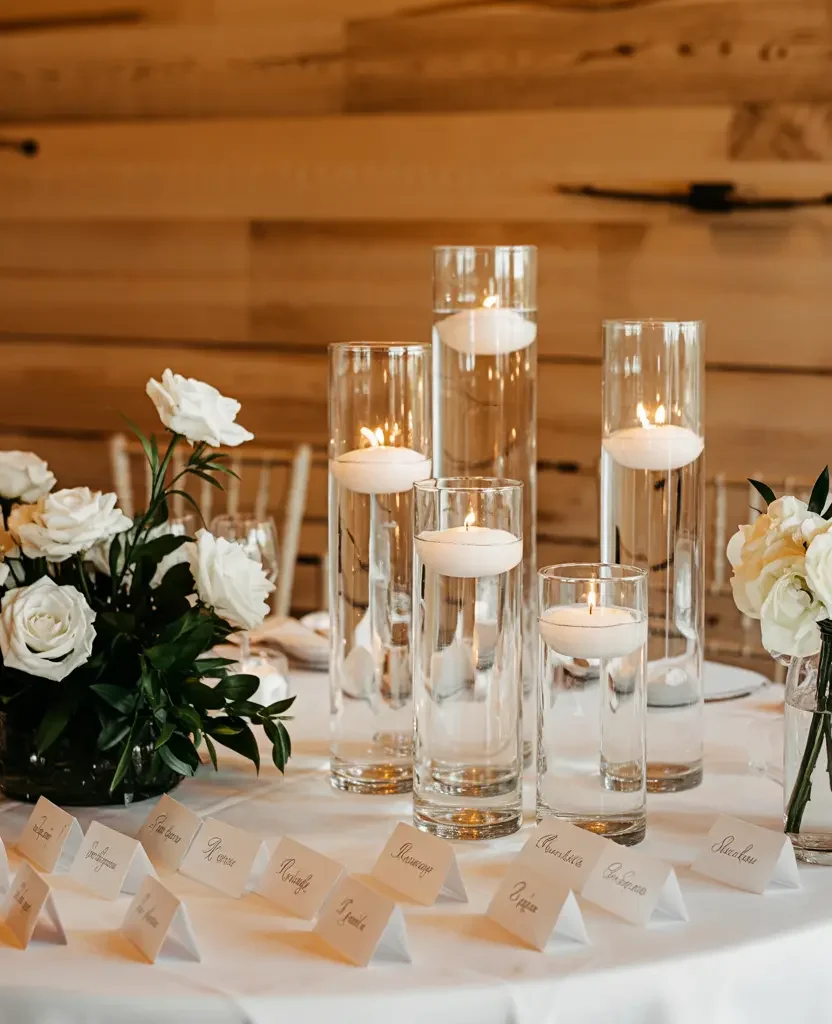
1. Choose One Cohesive Style
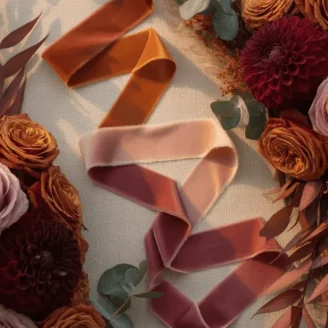
Smart budget wedding planning in 2026 means spending on cohesion, not quantity. The most expensive-looking weddings aren’t the ones with the most stuff — they’re the ones with the most consistent aesthetic. Pick one direction and commit to it. Every element should feel like it belongs to the same story.
2. Use Candles Instead of Expensive Florals
For 2026, the most budget-friendly aesthetics that also photograph beautifully are:
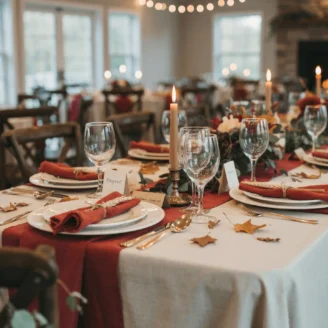
- Soft neutrals + candlelight: White, cream, and warm beige with abundant candles. Incredibly elegant, surprisingly cheap. Pillar candles in varying heights, taper candles in simple holders, and tea lights in glass vessels create atmosphere that no floral budget can match.
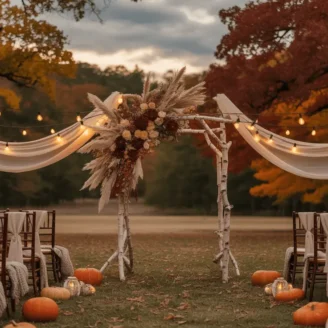
- Earthy and organic: Wood slices, dried pampas grass, terracotta accents, and greenery. Most elements are reusable or can be sourced cheaply from craft stores and thrift shops.
- Romantic and simple: Soft drapery (white chiffon is inexpensive), string lights, and simple florals. This look works in almost any venue.
3. Mix Affordable Textures
Amazon is genuinely one of the best sources for budget wedding decor — not because it’s cheap-looking, but because the selection is vast and the price point is right. Some specific products worth knowing:
- Taper candle holders: Look for sets of mixed-height brass or black iron holders. Search “wedding taper candle holders set” for options in the $25–$45 range.
- String lights: Warm white globe string lights on a brown cord look far more elevated than the standard fairy light look. Expect to pay $15–$30 for a 50-foot strand. Globe string lights on Amazon.
- Bud vases: A collection of mismatched glass and ceramic bud vases is one of the most versatile budget decor purchases you can make. Sets of 10–20 are available for $20–$40. Shop bud vase sets on Amazon.
- Pampas grass: Dried pampas is long-lasting, reusable, and genuinely on-trend. A bundle of 10 stems typically runs $15–$25. Find dried pampas grass on Amazon.
For a curated list of our favorite picks, don’t miss our dedicated article on the prettiest wedding decor on Amazon under $100.
Catering on a Budget: Where to Save and What Not to Cut
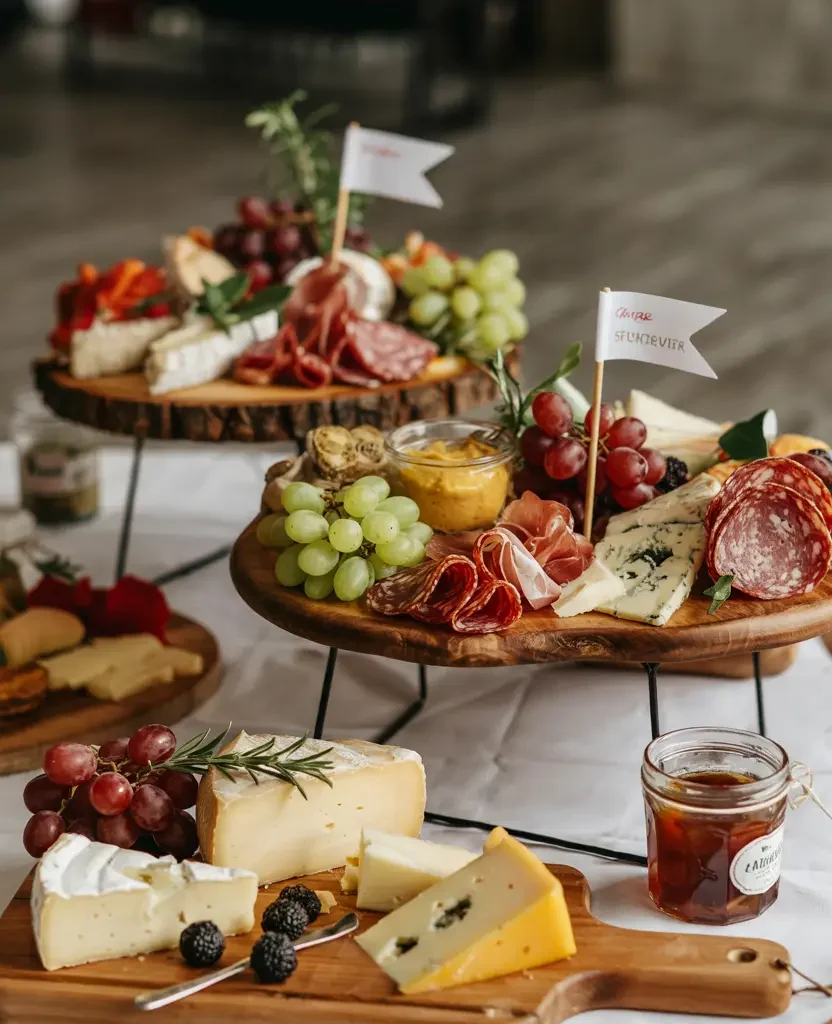
Food and drink typically represent 30–35% of your budget wedding planning spend — and it’s one area where guests genuinely notice the quality. The goal isn’t to cut spending on food — it’s to spend more efficiently.
- Buffet vs. plated: A buffet-style service almost always costs less per head than plated dinner service because you need fewer servers and the kitchen workflow is simpler. Modern buffets can look beautiful with the right presentation — wooden boards, tiered stands, linen-draped tables.
- Cocktail reception format: Replacing a full sit-down dinner with a cocktail-style reception (heavy appetizers, stationed food, smaller plates) is increasingly popular and can save significantly. It also creates a more social, dynamic atmosphere.
- Cut the open bar, not the alcohol: A full open bar can add $30–$60 per guest to your catering bill. Instead, offer a signature cocktail, wine, beer, and non-alcoholic options. This still feels generous without the premium cost. If your venue allows it, buying your own alcohol and paying a corkage fee is almost always cheaper than buying through the caterer.
- Wedding cake alternatives: A traditional tiered wedding cake is expensive ($5–$12 per slice). Consider a small cutting cake for the ceremony photos plus sheet cakes served from the kitchen. Alternatively, a dessert table with a mix of cookies, macarons, and mini tarts can look spectacular and cost far less.
- Seasonal and local menus: Work with your caterer to build a menu around what’s fresh and cheap right now. Seasonal ingredients are always less expensive than out-of-season produce, and local sourcing can reduce costs while improving quality.
Photography: Where Splurging Actually Pays Off
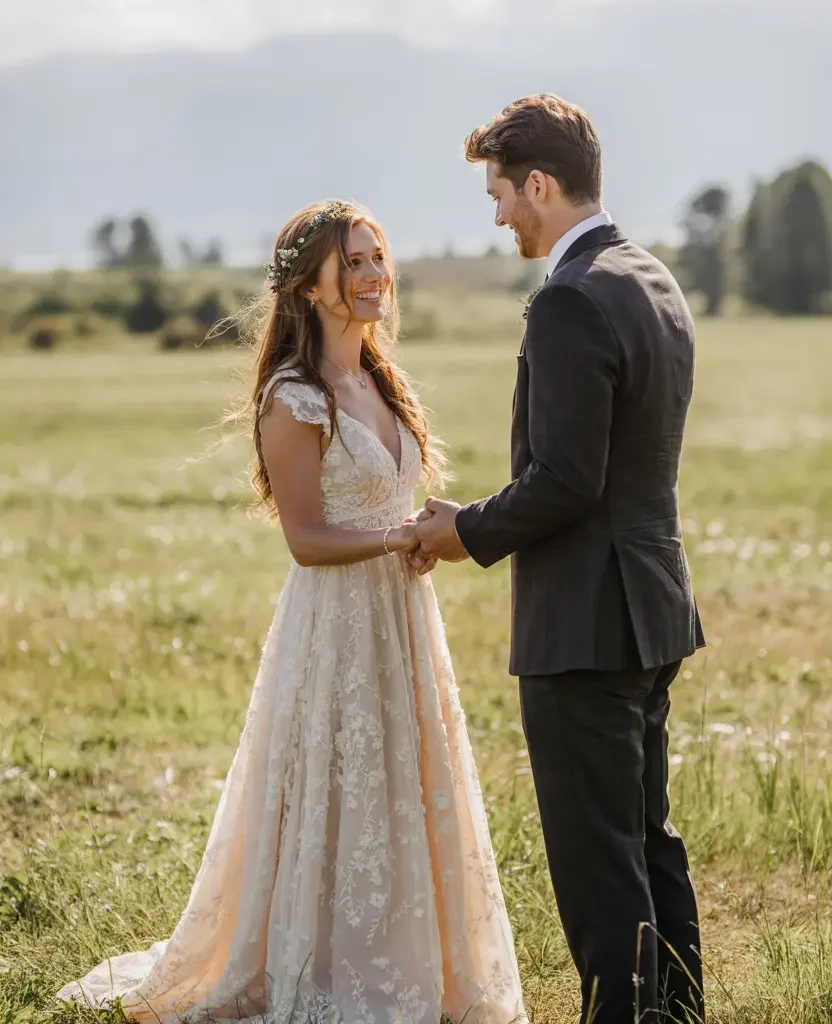
Photography is the one wedding category where budget brides consistently regret cutting corners. Your photos are what you’ll have forever — your venue will be cleaned out by midnight, your flowers will be composted, but your photos last a lifetime.
That said, you can get exceptional photography without paying top-tier rates if you know where to look:
- Second shooters going solo: Many talented photographers are second shooters (assistants) for established studios on weekends while building their own portfolio. Their rates are significantly lower, their style is often excellent, and they’re motivated to do exceptional work to build their name. Search Instagram and TikTok for local photographers with strong portfolios and under 5,000 followers.
- Photography students: Final-year students at art and photography programs are producing genuinely impressive work. Contact your local university’s fine arts department and ask about student photographers available for hire.
- Limit your hours: Rather than booking 8–10 hours of coverage, consider 4–6 hours covering the ceremony through first dances. You get all the meaningful moments without the full-day rate.
- Skip videography if needed: If you’re truly tight on budget, photography matters more than video for most couples. Make your decision early so you don’t try to add it back in at the last minute.
Wedding Attire: How to Look Incredible Without Overpaying
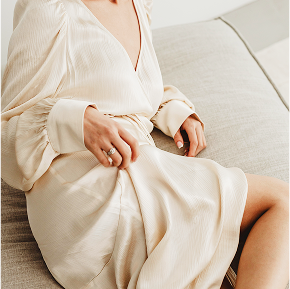
Attire is one place where budget wedding planning in 2026 has genuinely gotten easier. The average wedding dress costs $1,800–$2,500 from a traditional bridal boutique — but that number can be cut dramatically without sacrificing how you look in photos or how you feel walking down the aisle.
- Sample sale gowns: Bridal boutiques hold sample sales once or twice a year to clear floor samples. These are often designer gowns in excellent condition at 50–70% off. Sign up for newsletters from boutiques in your area and be ready to move fast when a sale is announced.
- Pre-owned platforms: StillWhite, PreOwnedWeddingDresses, and even Facebook Marketplace list gently worn and sometimes unworn gowns. Many brides buy their “backup dress” or reception look this way and end up loving it more than their original choice.
- BHLDN and Azazie: These are the two most reliable sources for new gowns under $500 that still look genuinely bridal. Both offer a wide range of styles, real customer photos, and reasonable return policies. Browse BHLDN’s full collection to get a sense of what’s available at each price tier.
- Amazon bridal: It’s worth a look, genuinely. Search “wedding dress [your style and size]” and filter by ratings. For a casual ceremony or a second look, the quality at the $100–$250 price point is often better than expected. Browse wedding dresses on Amazon.
For groom and wedding party attire, rental is almost always the smarter financial choice unless the pieces can realistically be reworn. Services like The Black Tux and Generation Tux offer online rentals with home try-on options.
Smart Ways to Cut Costs on Stationery, Invitations, and Favors
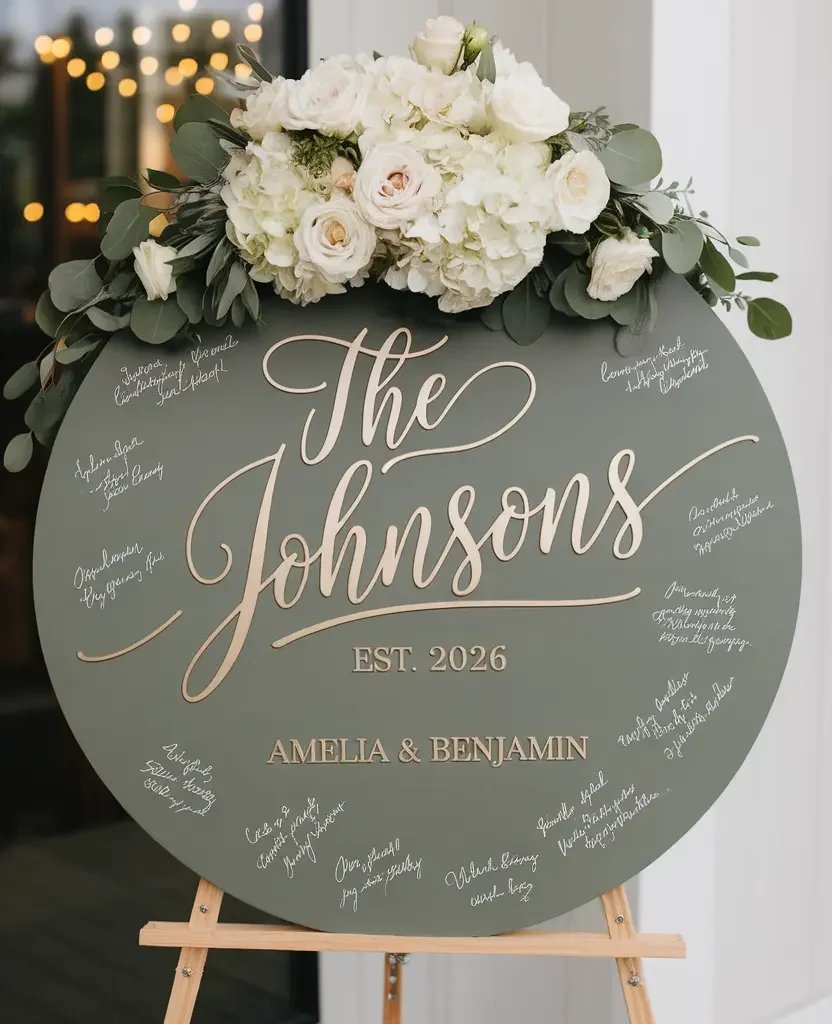
These are categories where couples consistently overspend relative to what guests actually notice or appreciate.
- Digital invitations: Platforms like Papier, Minted, and Canva all offer digital invitation options that look beautiful and cost a fraction of printed suites. For a guest list of 100, digital invites can save $300–$600 in printing and postage alone.
- If you want printed invitations: Use a single-card format rather than a multi-card suite. A beautifully designed single card with a QR code for RSVP and wedding website details costs a third of the traditional envelope-liner-plus-inner-envelope suite.
- Skip physical favors entirely: Most wedding favors end up left on tables or forgotten by the next morning. A donation to a cause that’s meaningful to you is a thoughtful alternative. Or redirect that $2–$5 per person toward better food or an upgraded dessert situation that guests will actually enjoy.
- DIY signage: A welcome sign, seating chart, and bar menu printed at FedEx Office on poster board and placed in a simple frame from a thrift store costs $20–$40 total. The same items from a wedding stationer run $150–$400.
Budget Wedding Lighting: The Highest-ROI Decor Investment
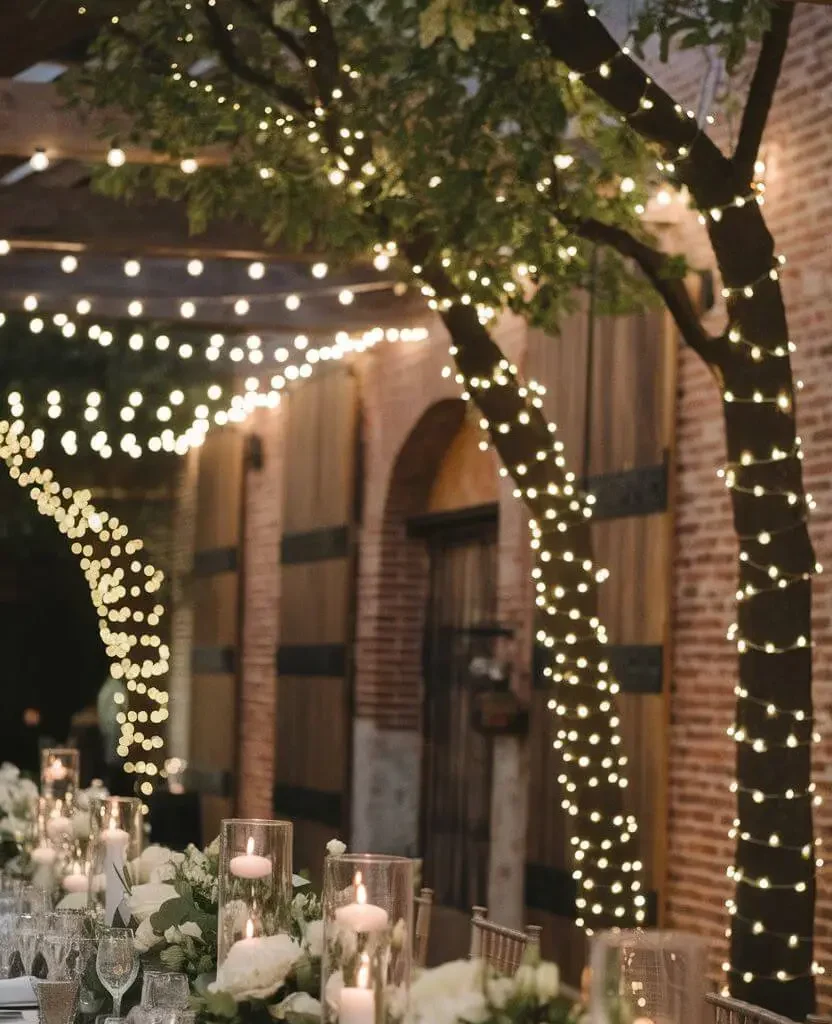
Every budget wedding planning guide in 2026 will tell you to cut decor — but smart couples cut everything except lighting. More than florals, more than linens, more than centrepieces — lighting changes how a space feels and how every single photo looks.
The good news: wedding lighting doesn’t have to be expensive. The most effective options at a budget:
- String lights: Draped overhead, wrapped around tent poles, or hung along a pergola, warm white globe string lights create immediate atmosphere. At $15–$30 per strand, a full coverage effect costs $100–$200.
- Pillar candles and tapers: The warmest, most flattering light source for any indoor reception. Buy in bulk from craft stores or Amazon. A case of 24 unscented white pillar candles runs about $30–$40.
- Paper lanterns: Simple, lightweight, and surprisingly elegant when hung in clusters at varying heights. Available in bulk for very little. Best in white or cream.
- Uplighting: Battery-powered LED uplights are an affordable way to add color and drama to a venue’s walls. They’re available to rent for $10–$15 per unit or purchase outright for a permanent addition to your decor toolkit. Shop LED uplights on Amazon.
For a full guide to transforming any venue with light, read our article on budget wedding lighting ideas that make any venue look magical.
Frequently Asked Questions About Budget Wedding Planning 2026
These are the questions couples ask most when starting their budget wedding planning journey in 2026. Read through all of them — even the ones that don’t feel relevant yet. The answers often save hundreds of dollars.
What is a realistic budget for a small wedding in 2026?
For an intimate wedding of 40–60 guests in 2026, a realistic budget is $8,000–$15,000 depending on your city and how much you DIY. In lower cost-of-living areas, beautiful weddings happen for less. In major cities like New York or San Francisco, even a small wedding pushes higher. The key is knowing your local vendor market before setting your number.
How can I cut wedding costs without it looking cheap?
Focus on what guests actually notice: food quality, atmosphere, and whether they feel welcome and comfortable. Cut what they don’t: elaborate invitations, expensive favors, full open bars, and complex floral installations. Invest in lighting and photography. Those two categories have the highest visible return on investment of anything you can spend money on.
What is the cheapest day of the week to get married?
Friday evenings and Sundays are consistently 15–30% cheaper than Saturdays at most venues. Weekday weddings — particularly Thursday — can be even less expensive, though you’ll need to factor in guests taking time off work. Off-season months (January, February, and early March) offer additional savings across almost every vendor category.
Is it worth hiring a wedding planner if I’m on a budget?
A day-of coordinator is almost always worth it — they prevent the expensive mistakes and logistical chaos that cost couples money and stress. A full-service wedding planner is a harder case to make on a tight budget, though some planners specializing in budget weddings can save you money through vendor discounts and relationships. If your budget is under $15,000, prioritize a day-of coordinator over a full planner.
How do I get good wedding photos on a budget?
Look for emerging photographers building their portfolios — second shooters going solo, photography students in their final year, or photographers who have recently relocated to your city and are priced lower while they build a local client base. Also consider limiting your coverage hours to the ceremony through first dances rather than full-day coverage.
Can I DIY my own wedding flowers?
Yes, and it’s more manageable than most people expect if you plan ahead. Order wholesale stems, work with a greenery base to reduce bloom volume, and do one or two practice runs before the wedding. Focus your professional floral spend on personal flowers (your bouquet and boutonnieres) and DIY the centerpieces and installations. For a step-by-step walkthrough, read our DIY budget wedding flowers guide.
What wedding decor can I buy on Amazon that actually looks good?
Globe string lights, taper candle holders, bud vase sets, dried pampas grass, battery-powered pillar candles, and linen table runners all photograph beautifully and are available at a fraction of wedding boutique prices. The key is choosing neutral colors and simple shapes that read as intentional rather than generic. Our Amazon wedding decor guide covers our top picks with real price ranges.
How do I save money on wedding catering?
Choose a buffet or cocktail-style format over plated service, limit your bar to wine, beer, and one signature cocktail rather than a full open bar, use seasonal and locally sourced ingredients, and consider alternatives to a full tiered wedding cake. Buying your own alcohol and paying a corkage fee — if your venue permits it — is one of the highest-impact single money-saving moves available to couples.
What are the best affordable wedding dress options for 2026?
BHLDN and Azazie offer beautiful new gowns under $500. Pre-owned platforms like StillWhite and PreOwnedWeddingDresses carry designer and boutique gowns at 40–70% off retail. Bridal boutique sample sales happen seasonally and offer excellent gowns at steep discounts. For a casual ceremony or reception look, Amazon bridal has improved significantly and is worth browsing.
What should I absolutely not cut from my wedding budget?
Photography and food. These are what guests remember and what you’ll return to for years. A beautiful photo of a simple moment is worth infinitely more than an elaborate floral installation that nobody photographs. And guests will talk about the food — positively or negatively — long after the wedding. Invest here first, then work backward through every other category.
Free Download
The 2026 Wedding Checklist
Your complete 12-month step-by-step plan for a stress-free, personal wedding — completely free.
Download the Free Checklist →Your Beautiful, Budget-Friendly Wedding Is Completely Within Reach
Budget wedding planning in 2026 is less about sacrifice and more about intention. The couples who pull off the most beautiful, meaningful weddings aren’t the ones with the biggest budgets — they’re the ones who knew what they cared about, made deliberate choices, and said no to everything else.
Start with your real number. Trim your guest list first. Find a venue with built-in beauty. Invest in lighting and photography. DIY the things that are manageable and hire professionals for the things that aren’t. And remind yourself regularly: what makes a wedding memorable has very little to do with how much it costs.
Ready to go deeper? Start with these guides from the Budget Wedding Planning cluster: